Buy windpointpark.com ?
We are moving the project
windpointpark.com .
Are you interested in purchasing the domain
windpointpark.com ?
domain@kv-gmbh.de · 0541-91531010
Buy windpointpark.com ?
Are banknotes waterproof?
Yes, many modern banknotes are designed to be waterproof. They are made from a polymer material that is resistant to water, making them more durable and long-lasting. This feature helps to prevent banknotes from getting damaged or destroyed when they come into contact with water, which is especially important in countries with humid or rainy climates. Additionally, the waterproof nature of banknotes also helps to prevent counterfeiting, as it makes it more difficult to alter or reproduce the notes. **
What are Austrian banknotes?
Austrian banknotes are the official currency notes issued by the central bank of Austria, the Oesterreichische Nationalbank (OeNB). They come in various denominations, ranging from 5 to 500 euros, and feature different designs and colors to represent the country's culture, history, and achievements. Austrian banknotes are widely used for transactions within the country and are recognized as legal tender throughout the Eurozone. **

Similar search terms for Banknotes
Top-Angebote
Products related to Banknotes:
-
Multisell Products Hub Compact Monocular Telescope For Travel, Hiking, Fishing, Camping & Bird Watching 1pcDiscover the wonders of nature with the Monocular 1 pc Telescope, your perfect companion for outdoor adventures. Whether you're hiking, fishing, camping, or stargazing, this compact and portable telescope offers crystalclear views and is ideal for...29,97 $*Shipping: 0,00 $Secure redirect to the provider
-
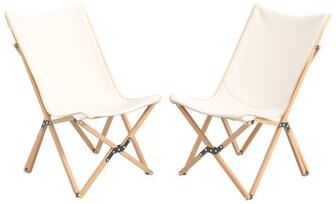
Costway Set of 2 Bamboo Dorm Chair with Storage Pocket for Camping and Fishing-BeigeWith a skin-friendly and breathable canvas fabric top, this chair will provide you with unlimited coziness, and the surface is also easy to clean with just a wet towel.82,99 $*Shipping: 0,00 $Secure redirect to the provider


-
What are rare banknotes?
Rare banknotes are currency notes that are scarce in circulation due to limited printing, historical significance, or unique features. These banknotes are highly sought after by collectors and can fetch high prices in the numismatic market. Rare banknotes often have a combination of factors that make them valuable, such as being from a specific time period, having printing errors, or being in pristine condition. Due to their scarcity and demand, rare banknotes are considered valuable assets in the world of currency collecting. **
-
What are unnumbered banknotes?
Unnumbered banknotes are a type of currency that does not have a serial number printed on them. This can be intentional, as in the case of commemorative or souvenir banknotes that are not intended for circulation. Unnumbered banknotes may also be used in emergency situations, when a country needs to quickly issue currency without the time-consuming process of printing serial numbers. These banknotes are often considered collectible and can have a higher value to collectors due to their unique nature. **
-
Can banknotes get moldy?
Yes, banknotes can get moldy if they are exposed to moisture and humidity for an extended period of time. Mold can grow on the paper of the banknotes, especially if they are stored in damp or humid conditions. Moldy banknotes can become discolored, have a musty odor, and may even deteriorate over time. It is important to store banknotes in a dry and well-ventilated environment to prevent them from getting moldy. **
-
How can one exchange banknotes?
One can exchange banknotes by visiting a bank or currency exchange office. Simply bring the banknotes you wish to exchange and present them to the teller along with any identification that may be required. The teller will then provide you with the equivalent value in the currency of your choice. Alternatively, some banks may offer online or mobile banking services that allow you to exchange currency electronically. **


How long do banknotes last?
The lifespan of a banknote varies depending on its denomination and the level of usage. On average, a banknote can last anywhere from 4 to 15 years. Higher denomination banknotes tend to last longer as they are used less frequently than lower denomination ones. However, factors such as wear and tear, soiling, and damage can also affect the longevity of a banknote. **
How can one deposit banknotes?
To deposit banknotes, one can visit a bank branch or ATM that accepts cash deposits. At the bank branch, one can fill out a deposit slip with their account information and the amount of cash being deposited. The bank teller will then count the banknotes and deposit them into the account. At an ATM, one can insert the banknotes directly into the machine and follow the on-screen instructions to complete the deposit. **
Top-Angebote
Products related to Banknotes:
-
ModernMart Spovan Waterproof Fishing Barometer Watch For Hiking, Camping & Outdoor Sports Spovan Waterproof Fishing Barometer Watch For Hiking, Camping & Outdoor SportsNever miss the perfect fishing window again with this rugged fishing barometer watch designed for anglers and outdoor adventurers who rely on precision in changing conditions. Built with realtime pressure tracking, weather monitoring, and water...119,97 $*Shipping: 0,00 $Secure redirect to the provider
-
Multisell Products Hub Compact Monocular Telescope For Travel, Hiking, Fishing, Camping & Bird Watching 1pcDiscover the wonders of nature with the Monocular 1 pc Telescope, your perfect companion for outdoor adventures. Whether you're hiking, fishing, camping, or stargazing, this compact and portable telescope offers crystalclear views and is ideal for...29,97 $*Shipping: 0,00 $Secure redirect to the provider
-
Are banknotes waterproof?
Yes, many modern banknotes are designed to be waterproof. They are made from a polymer material that is resistant to water, making them more durable and long-lasting. This feature helps to prevent banknotes from getting damaged or destroyed when they come into contact with water, which is especially important in countries with humid or rainy climates. Additionally, the waterproof nature of banknotes also helps to prevent counterfeiting, as it makes it more difficult to alter or reproduce the notes. **
-
What are Austrian banknotes?
Austrian banknotes are the official currency notes issued by the central bank of Austria, the Oesterreichische Nationalbank (OeNB). They come in various denominations, ranging from 5 to 500 euros, and feature different designs and colors to represent the country's culture, history, and achievements. Austrian banknotes are widely used for transactions within the country and are recognized as legal tender throughout the Eurozone. **
-
What are rare banknotes?
Rare banknotes are currency notes that are scarce in circulation due to limited printing, historical significance, or unique features. These banknotes are highly sought after by collectors and can fetch high prices in the numismatic market. Rare banknotes often have a combination of factors that make them valuable, such as being from a specific time period, having printing errors, or being in pristine condition. Due to their scarcity and demand, rare banknotes are considered valuable assets in the world of currency collecting. **
-
What are unnumbered banknotes?
Unnumbered banknotes are a type of currency that does not have a serial number printed on them. This can be intentional, as in the case of commemorative or souvenir banknotes that are not intended for circulation. Unnumbered banknotes may also be used in emergency situations, when a country needs to quickly issue currency without the time-consuming process of printing serial numbers. These banknotes are often considered collectible and can have a higher value to collectors due to their unique nature. **
Similar search terms for Banknotes
-
Costway Set of 2 Bamboo Dorm Chair with Storage Pocket for Camping and Fishing-BeigeWith a skin-friendly and breathable canvas fabric top, this chair will provide you with unlimited coziness, and the surface is also easy to clean with just a wet towel.82,99 $*Shipping: 0,00 $Secure redirect to the provider
-
Combo Retail Shop Mini Multi functional Headlamp, USB Rechargeable LED Camping Light For Fishing, Walking Dogs, Running, Cycling, Exercise Mini Multi functional Headlamp, USB Rechargeable LED Camping Light For Fishing, Walking Dogs, Running, Cycling, ExerBrighten Your Outdoor Adventures with the Mini Multifunctional Headlamp Are you tired of fumbling around in the dark during your outdoor activities The Mini Multifunctional Headlamp is the perfect companion for any adventure. Whether you're camping,...39,97 $*Shipping: 0,00 $Secure redirect to the provider
-
Can banknotes get moldy?
Yes, banknotes can get moldy if they are exposed to moisture and humidity for an extended period of time. Mold can grow on the paper of the banknotes, especially if they are stored in damp or humid conditions. Moldy banknotes can become discolored, have a musty odor, and may even deteriorate over time. It is important to store banknotes in a dry and well-ventilated environment to prevent them from getting moldy. **
-
How can one exchange banknotes?
One can exchange banknotes by visiting a bank or currency exchange office. Simply bring the banknotes you wish to exchange and present them to the teller along with any identification that may be required. The teller will then provide you with the equivalent value in the currency of your choice. Alternatively, some banks may offer online or mobile banking services that allow you to exchange currency electronically. **
-
How long do banknotes last?
The lifespan of a banknote varies depending on its denomination and the level of usage. On average, a banknote can last anywhere from 4 to 15 years. Higher denomination banknotes tend to last longer as they are used less frequently than lower denomination ones. However, factors such as wear and tear, soiling, and damage can also affect the longevity of a banknote. **
-
How can one deposit banknotes?
To deposit banknotes, one can visit a bank branch or ATM that accepts cash deposits. At the bank branch, one can fill out a deposit slip with their account information and the amount of cash being deposited. The bank teller will then count the banknotes and deposit them into the account. At an ATM, one can insert the banknotes directly into the machine and follow the on-screen instructions to complete the deposit. **
* All prices are inclusive of VAT and, if applicable, plus shipping costs. The offer information is based on the details provided by the respective shop and is updated through automated processes. Real-time updates do not occur, so deviations can occur in individual cases. ** Note: Parts of this content were created by AI.