Buy windpointpark.com ?
We are moving the project
windpointpark.com .
Are you interested in purchasing the domain
windpointpark.com ?
domain@kv-gmbh.de · 0541-91531010
Buy windpointpark.com ?
Does the cat have tantrums?
Cats can exhibit behaviors that may resemble tantrums, such as hissing, growling, or swatting when they are upset or feeling threatened. However, these behaviors are typically a cat's way of expressing fear or discomfort rather than intentionally throwing a tantrum like a human child might. It is important to understand the underlying cause of these behaviors and address any potential triggers to help the cat feel more comfortable and secure. **
What to do when children have tantrums?
When children have tantrums, it is important to stay calm and patient. Try to understand the reason behind the tantrum and address any underlying issues. Offer comfort and support to help the child calm down. Encourage them to use words to express their feelings and teach them healthy ways to cope with their emotions in the future. **
Similar search terms for Tantrums
Top-Angebote
Products related to Tantrums:
-
ModernMart Spovan Waterproof Fishing Barometer Watch For Hiking, Camping & Outdoor Sports Spovan Waterproof Fishing Barometer Watch For Hiking, Camping & Outdoor SportsNever miss the perfect fishing window again with this rugged fishing barometer watch designed for anglers and outdoor adventurers who rely on precision in changing conditions. Built with realtime pressure tracking, weather monitoring, and water...119,97 $*Shipping: 0,00 $Secure redirect to the provider



-
Which toys help with stress and tantrums?
Toys that help with stress and tantrums are often ones that provide sensory stimulation and encourage relaxation. For example, stress balls or squishy toys can help release tension and provide a calming effect. Fidget toys, such as spinners or cubes, can also help redirect attention and provide a sense of comfort. Additionally, toys that encourage imaginative play, such as dolls or action figures, can help children express their emotions and work through their feelings in a safe and creative way. **
-
What should I do about my mother's tantrums?
When dealing with your mother's tantrums, it's important to approach the situation with empathy and understanding. Try to remain calm and listen to her concerns without getting defensive. It may also be helpful to suggest finding healthy ways to cope with stress or seek professional help if her tantrums are becoming a frequent occurrence. Setting boundaries and communicating openly about how her behavior affects you can also be beneficial in addressing the issue. **
-
How do I deal with my friend's temper tantrums?
When dealing with a friend's temper tantrums, it's important to remain calm and composed. Try to understand the root cause of their outburst and listen to their concerns without judgment. Offer support and reassurance, and encourage them to express their feelings in a healthy way. Setting boundaries and communicating openly about how their behavior affects you can also be helpful in addressing their temper tantrums. Remember to prioritize your own well-being and seek support from others if needed. **
-
What are typical tantrums in 18-month-old children?
Typical tantrums in 18-month-old children often involve crying, screaming, kicking, and hitting. These tantrums can be triggered by frustration, fatigue, hunger, or being told "no." 18-month-olds may also throw themselves on the floor, bang their head, or throw objects during a tantrum. It is important for parents and caregivers to remain calm and provide comfort and reassurance during these outbursts. **

Does a 2-year-old child constantly throw tantrums?
It is common for 2-year-old children to throw tantrums as they are still learning to regulate their emotions and communicate their needs. Tantrums are a normal part of their development as they navigate their growing independence and frustration with their limited language skills. It is important for caregivers to respond to tantrums with patience and understanding, helping the child learn to manage their emotions in a healthy way. With guidance and support, most children will eventually outgrow this phase. **
Is it normal for a 7-year-old child to have tantrums?
Yes, it is normal for a 7-year-old child to have tantrums. Tantrums are a common way for young children to express their frustration, anger, or other strong emotions when they do not have the language or coping skills to communicate effectively. It is important for parents and caregivers to help children learn how to manage their emotions and express themselves in a healthy way. If tantrums become frequent or severe, it may be helpful to seek guidance from a pediatrician or mental health professional. **
Top-Angebote
Products related to Tantrums:
-
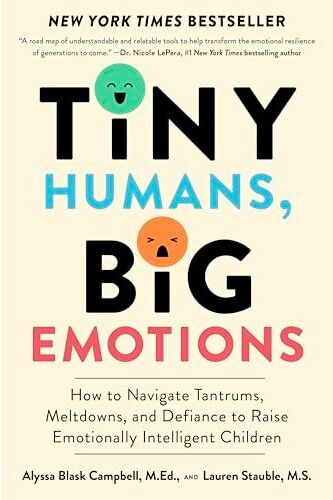
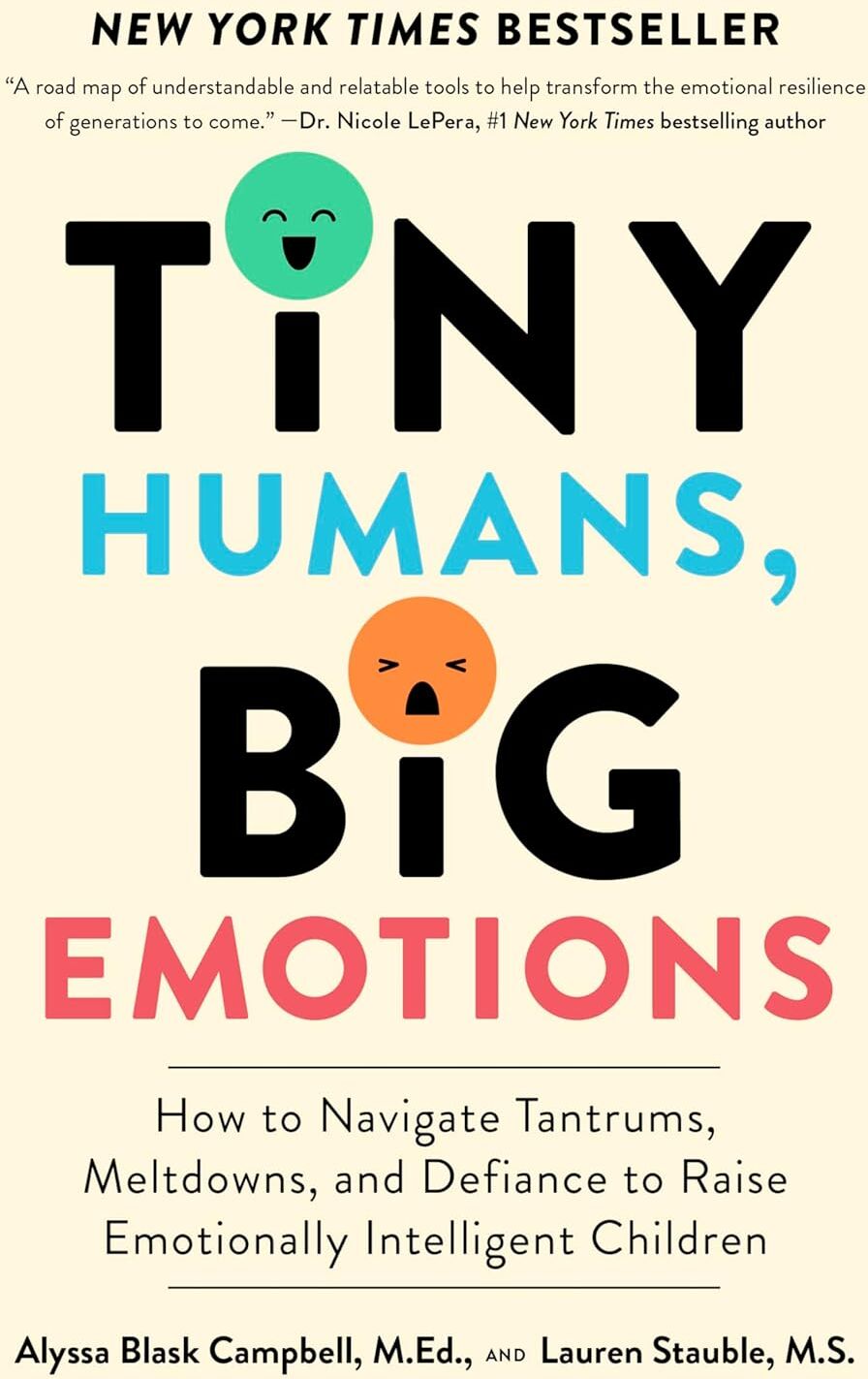
Harvest Tiny Humans, Big Emotions: How to Navigate Tantrums, Meltdowns, and Defiance to Raise Emotionally Intelligent ChildrenThe Future is Emotionally Intelligent From two early childhood experts, an essential parenting guide for toddler behavior that empowers parents to help their little ones navigate their big feelings—including tantrums, outbursts, and separation anxiety—while laying the groundwork for a lifetime of emotional intelligence. We’re in the midst of a parenting revolution that is radically changing the way we raise our kids. Gone are the days of minimizing emotions: Don’t Cry. You’re Fine. Don’t Make a Scene. As our understanding of developing brains has increased, today’s parents are embracing conscious parenting and looking for a new way to help their children understand their feelings and learn to process them. Emotional development experts Alyssa Blask Campbell, M.Ed. and Lauren Stauble M.S. are at the forefront of a movement to foster little ones’ emotional intelligence. Their revolutionary Collaborative Emotion Processing (CEP) method has been a game changer for parents and educators, and now they are sharing it with readers in this indispensable guide. Tiny Humans, Big Emotions provides the tools to tackle every sort of stressful child-rearing situation, including: • What to do when your child throws a tantrum (it's not what you think!) • Helpful scripts to handle any challenging moment like school refusal and bedtime resistance • How to react when your child hits, punches, or bites • Easy tips that help regulate your child’s nervous system • How to anticipate and end meltdowns before they even begin Designed for all humans—tiny and big—this book shows caregivers of children how to handle challenging behaviors and outbursts while empowering them to recognize and manage difficult feelings like anger, sadness, and shame, along with anxiety. All caregivers will find valuable insights and guidance in this book, especially those caring for children from infancy to age eight. Tiny Humans, Big Emotions equips adults with tools for emotional intelligence so they can respond with intention. This innovative, research-based approach teaches children self-regulation, empathy, and effective coping strategies, even as it strengthens the parent-child relationship, setting the groundwork for a lifetime of emotional resilience and wellbeing. This book is an essential, empathetic guide for gentle parenting that will teach parents to notice their own habits and hold space for their tiny human's big emotions.5,99 £*Shipping: 2,99 £Secure redirect to the provider
-
Harvest (HarperCollins) Tiny Humans, Big Emotions by Alyssa Blask Campbell & Lauren Elizabeth Stauble - Paperback - NYT Bestselling Guide to Tantrums, Meltdowns & Raising Emotionally Intelligent Kids (Ages 0-8)Tiny Humans, Big Emotions is a guide from early childhood experts Alyssa Blask Campbell and Lauren Elizabeth Stauble. It offers parents and caregivers a practical roadmap for handling tantrums, meltdowns, and defiance without shame or punishment. The book is rooted in the authors' Collaborative Emotion Processing method, which helps grown-ups understand what's happening in a child's developing brain during emotional outbursts and how to respond in ways that build emotional intelligence. This book is suitable for caregivers of children from infancy to age 8 and is published by Harvest (HarperCollins).4,99 £*Shipping: 2,99 £Secure redirect to the provider
-
ModernMart Spovan Waterproof Fishing Barometer Watch For Hiking, Camping & Outdoor Sports Spovan Waterproof Fishing Barometer Watch For Hiking, Camping & Outdoor SportsNever miss the perfect fishing window again with this rugged fishing barometer watch designed for anglers and outdoor adventurers who rely on precision in changing conditions. Built with realtime pressure tracking, weather monitoring, and water...119,97 $*Shipping: 0,00 $Secure redirect to the provider
-
Does the cat have tantrums?
Cats can exhibit behaviors that may resemble tantrums, such as hissing, growling, or swatting when they are upset or feeling threatened. However, these behaviors are typically a cat's way of expressing fear or discomfort rather than intentionally throwing a tantrum like a human child might. It is important to understand the underlying cause of these behaviors and address any potential triggers to help the cat feel more comfortable and secure. **
-
What to do when children have tantrums?
When children have tantrums, it is important to stay calm and patient. Try to understand the reason behind the tantrum and address any underlying issues. Offer comfort and support to help the child calm down. Encourage them to use words to express their feelings and teach them healthy ways to cope with their emotions in the future. **
-
Which toys help with stress and tantrums?
Toys that help with stress and tantrums are often ones that provide sensory stimulation and encourage relaxation. For example, stress balls or squishy toys can help release tension and provide a calming effect. Fidget toys, such as spinners or cubes, can also help redirect attention and provide a sense of comfort. Additionally, toys that encourage imaginative play, such as dolls or action figures, can help children express their emotions and work through their feelings in a safe and creative way. **
-
What should I do about my mother's tantrums?
When dealing with your mother's tantrums, it's important to approach the situation with empathy and understanding. Try to remain calm and listen to her concerns without getting defensive. It may also be helpful to suggest finding healthy ways to cope with stress or seek professional help if her tantrums are becoming a frequent occurrence. Setting boundaries and communicating openly about how her behavior affects you can also be beneficial in addressing the issue. **
Similar search terms for Tantrums
-
Multisell Products Hub Compact Monocular Telescope For Travel, Hiking, Fishing, Camping & Bird Watching 1pcDiscover the wonders of nature with the Monocular 1 pc Telescope, your perfect companion for outdoor adventures. Whether you're hiking, fishing, camping, or stargazing, this compact and portable telescope offers crystalclear views and is ideal for...29,97 $*Shipping: 0,00 $Secure redirect to the provider
-
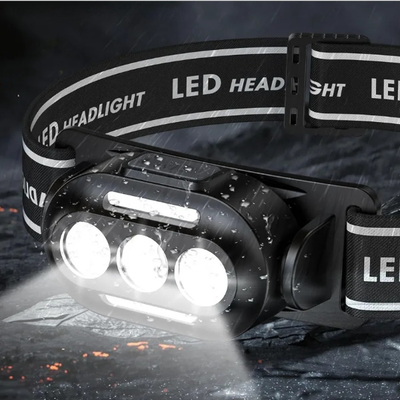
Combo Retail Shop Mini Multi functional Headlamp, USB Rechargeable LED Camping Light For Fishing, Walking Dogs, Running, Cycling, Exercise Mini Multi functional Headlamp, USB Rechargeable LED Camping Light For Fishing, Walking Dogs, Running, Cycling, ExerBrighten Your Outdoor Adventures with the Mini Multifunctional Headlamp Are you tired of fumbling around in the dark during your outdoor activities The Mini Multifunctional Headlamp is the perfect companion for any adventure. Whether you're camping,...39,97 $*Shipping: 0,00 $Secure redirect to the provider
-
How do I deal with my friend's temper tantrums?
When dealing with a friend's temper tantrums, it's important to remain calm and composed. Try to understand the root cause of their outburst and listen to their concerns without judgment. Offer support and reassurance, and encourage them to express their feelings in a healthy way. Setting boundaries and communicating openly about how their behavior affects you can also be helpful in addressing their temper tantrums. Remember to prioritize your own well-being and seek support from others if needed. **
-
What are typical tantrums in 18-month-old children?
Typical tantrums in 18-month-old children often involve crying, screaming, kicking, and hitting. These tantrums can be triggered by frustration, fatigue, hunger, or being told "no." 18-month-olds may also throw themselves on the floor, bang their head, or throw objects during a tantrum. It is important for parents and caregivers to remain calm and provide comfort and reassurance during these outbursts. **
-
Does a 2-year-old child constantly throw tantrums?
It is common for 2-year-old children to throw tantrums as they are still learning to regulate their emotions and communicate their needs. Tantrums are a normal part of their development as they navigate their growing independence and frustration with their limited language skills. It is important for caregivers to respond to tantrums with patience and understanding, helping the child learn to manage their emotions in a healthy way. With guidance and support, most children will eventually outgrow this phase. **
-
Is it normal for a 7-year-old child to have tantrums?
Yes, it is normal for a 7-year-old child to have tantrums. Tantrums are a common way for young children to express their frustration, anger, or other strong emotions when they do not have the language or coping skills to communicate effectively. It is important for parents and caregivers to help children learn how to manage their emotions and express themselves in a healthy way. If tantrums become frequent or severe, it may be helpful to seek guidance from a pediatrician or mental health professional. **
* All prices are inclusive of VAT and, if applicable, plus shipping costs. The offer information is based on the details provided by the respective shop and is updated through automated processes. Real-time updates do not occur, so deviations can occur in individual cases. ** Note: Parts of this content were created by AI.