Buy windpointpark.com ?
We are moving the project
windpointpark.com .
Are you interested in purchasing the domain
windpointpark.com ?
domain@kv-gmbh.de · 0541-91531010
Buy windpointpark.com ?
What is transpiration in biology?
Transpiration is the process by which plants absorb water through their roots and then release it into the atmosphere through small openings in their leaves called stomata. This process helps plants to regulate their temperature, transport nutrients, and maintain their shape. Transpiration also plays a role in the water cycle by returning water vapor to the atmosphere. **
How does transpiration depend on humidity?
Transpiration is the process by which water is lost from a plant through the stomata in its leaves. Humidity affects transpiration because it is the measure of water vapor in the air. When the air is dry, with low humidity, the plant will transpire more to compensate for the lack of moisture in the air. Conversely, when the air is humid, with high humidity, the plant will transpire less because the air already contains a significant amount of water vapor. Therefore, transpiration is directly influenced by the humidity of the surrounding air. **

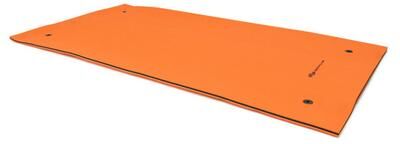
Similar search terms for Transpiration
Top-Angebote
Products related to Transpiration:
-
Multisell Products Hub Compact Monocular Telescope For Travel, Hiking, Fishing, Camping & Bird Watching 1pcDiscover the wonders of nature with the Monocular 1 pc Telescope, your perfect companion for outdoor adventures. Whether you're hiking, fishing, camping, or stargazing, this compact and portable telescope offers crystalclear views and is ideal for...29,97 $*Shipping: 0,00 $Secure redirect to the provider
-
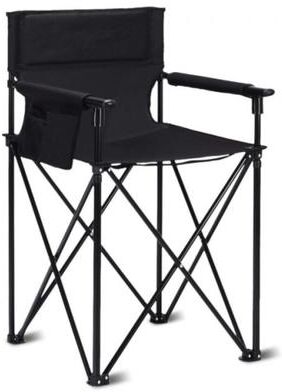
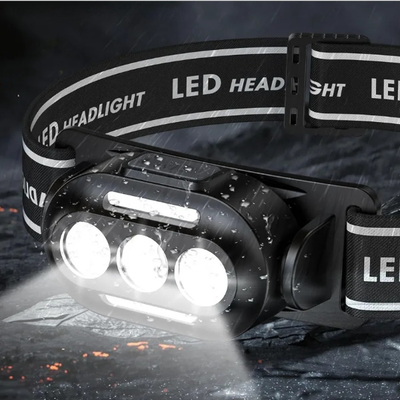
Combo Retail Shop Mini Multi functional Headlamp, USB Rechargeable LED Camping Light For Fishing, Walking Dogs, Running, Cycling, Exercise Mini Multi functional Headlamp, USB Rechargeable LED Camping Light For Fishing, Walking Dogs, Running, Cycling, ExerBrighten Your Outdoor Adventures with the Mini Multifunctional Headlamp Are you tired of fumbling around in the dark during your outdoor activities The Mini Multifunctional Headlamp is the perfect companion for any adventure. Whether you're camping,...39,97 $*Shipping: 0,00 $Secure redirect to the provider


-
What does a transpiration diagram look like?
A transpiration diagram typically shows the movement of water through a plant, from the roots to the leaves, and its subsequent release into the atmosphere through the process of transpiration. It often includes arrows to indicate the direction of water flow, as well as labels to identify the different parts of the plant involved in transpiration, such as roots, stem, and leaves. The diagram may also include annotations to explain the role of stomata in regulating transpiration and the factors that influence the rate of water loss. **
-
What is the significance of transpiration for plants?
Transpiration is essential for plants as it helps in the absorption of water and nutrients from the soil through the roots. It also helps in maintaining the plant's temperature by cooling the leaves through the process of evaporation. Additionally, transpiration plays a crucial role in the transportation of minerals and nutrients from the roots to the leaves and other parts of the plant. Overall, transpiration is vital for the overall health and growth of plants. **
-
Why do dead hair reduce transpiration in plants?
Dead hair reduces transpiration in plants because it forms a protective layer over the surface of the plant, reducing the rate of water loss through transpiration. This layer of dead hair acts as a barrier, preventing excessive water loss and helping the plant to conserve water in dry or arid conditions. Additionally, dead hair can also provide insulation, reducing the impact of environmental factors such as wind and sun exposure, which can further reduce transpiration. Overall, dead hair plays a crucial role in helping plants adapt and survive in challenging environmental conditions. **
-
How can an experiment on plant transpiration be conducted?
An experiment on plant transpiration can be conducted by setting up a simple apparatus called a potometer. This apparatus consists of a plant stem inserted into a capillary tube filled with water, allowing you to measure the rate of water uptake by the plant. By controlling factors such as light intensity, temperature, and humidity, you can observe how these variables affect the rate of transpiration in the plant. By recording the changes in water level in the capillary tube over time, you can calculate the rate of transpiration and draw conclusions about the factors influencing this process. **
How can one conduct an experiment on plant transpiration?
To conduct an experiment on plant transpiration, one can set up a simple experiment using potted plants, plastic bags, a scale, and a ruler. Start by placing a potted plant in a plastic bag and sealing it tightly. Leave the plant in a well-lit area for a set period of time, such as 24 hours. Weigh the plant before and after the experiment to measure the amount of water lost through transpiration. Use the ruler to measure the surface area of the leaves to calculate the rate of transpiration. **
How can the transpiration process in plants be investigated?
The transpiration process in plants can be investigated through several methods. One common method is to use a potometer, which measures the rate of water uptake by a plant. By measuring the change in water level in the potometer over time, the rate of transpiration can be calculated. Another method is to use a gas analyzer to measure the rate of water vapor loss from the leaves of a plant. Additionally, researchers can use isotopic labeling techniques to track the movement of water through the plant and determine the rate of transpiration. These methods provide valuable insights into the transpiration process and its role in plant physiology. **
Top-Angebote
Products related to Transpiration:
-
ModernMart Spovan Waterproof Fishing Barometer Watch For Hiking, Camping & Outdoor Sports Spovan Waterproof Fishing Barometer Watch For Hiking, Camping & Outdoor SportsNever miss the perfect fishing window again with this rugged fishing barometer watch designed for anglers and outdoor adventurers who rely on precision in changing conditions. Built with realtime pressure tracking, weather monitoring, and water...119,97 $*Shipping: 0,00 $Secure redirect to the provider
-
What is transpiration in biology?
Transpiration is the process by which plants absorb water through their roots and then release it into the atmosphere through small openings in their leaves called stomata. This process helps plants to regulate their temperature, transport nutrients, and maintain their shape. Transpiration also plays a role in the water cycle by returning water vapor to the atmosphere. **
-
How does transpiration depend on humidity?
Transpiration is the process by which water is lost from a plant through the stomata in its leaves. Humidity affects transpiration because it is the measure of water vapor in the air. When the air is dry, with low humidity, the plant will transpire more to compensate for the lack of moisture in the air. Conversely, when the air is humid, with high humidity, the plant will transpire less because the air already contains a significant amount of water vapor. Therefore, transpiration is directly influenced by the humidity of the surrounding air. **
-
What does a transpiration diagram look like?
A transpiration diagram typically shows the movement of water through a plant, from the roots to the leaves, and its subsequent release into the atmosphere through the process of transpiration. It often includes arrows to indicate the direction of water flow, as well as labels to identify the different parts of the plant involved in transpiration, such as roots, stem, and leaves. The diagram may also include annotations to explain the role of stomata in regulating transpiration and the factors that influence the rate of water loss. **
-
What is the significance of transpiration for plants?
Transpiration is essential for plants as it helps in the absorption of water and nutrients from the soil through the roots. It also helps in maintaining the plant's temperature by cooling the leaves through the process of evaporation. Additionally, transpiration plays a crucial role in the transportation of minerals and nutrients from the roots to the leaves and other parts of the plant. Overall, transpiration is vital for the overall health and growth of plants. **
Similar search terms for Transpiration
-
Multisell Products Hub Compact Monocular Telescope For Travel, Hiking, Fishing, Camping & Bird Watching 1pcDiscover the wonders of nature with the Monocular 1 pc Telescope, your perfect companion for outdoor adventures. Whether you're hiking, fishing, camping, or stargazing, this compact and portable telescope offers crystalclear views and is ideal for...29,97 $*Shipping: 0,00 $Secure redirect to the provider
-
Combo Retail Shop Mini Multi functional Headlamp, USB Rechargeable LED Camping Light For Fishing, Walking Dogs, Running, Cycling, Exercise Mini Multi functional Headlamp, USB Rechargeable LED Camping Light For Fishing, Walking Dogs, Running, Cycling, ExerBrighten Your Outdoor Adventures with the Mini Multifunctional Headlamp Are you tired of fumbling around in the dark during your outdoor activities The Mini Multifunctional Headlamp is the perfect companion for any adventure. Whether you're camping,...39,97 $*Shipping: 0,00 $Secure redirect to the provider
-
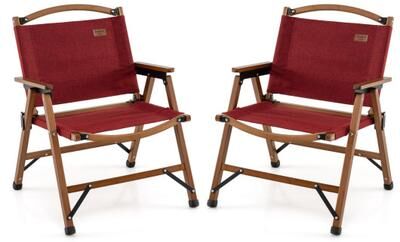
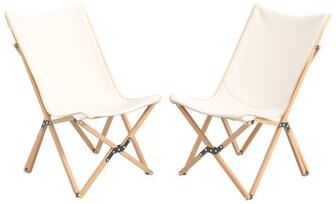
Costway Set of 2 Bamboo Dorm Chair with Storage Pocket for Camping and Fishing-BeigeWith a skin-friendly and breathable canvas fabric top, this chair will provide you with unlimited coziness, and the surface is also easy to clean with just a wet towel.82,99 $*Shipping: 0,00 $Secure redirect to the provider
-
Why do dead hair reduce transpiration in plants?
Dead hair reduces transpiration in plants because it forms a protective layer over the surface of the plant, reducing the rate of water loss through transpiration. This layer of dead hair acts as a barrier, preventing excessive water loss and helping the plant to conserve water in dry or arid conditions. Additionally, dead hair can also provide insulation, reducing the impact of environmental factors such as wind and sun exposure, which can further reduce transpiration. Overall, dead hair plays a crucial role in helping plants adapt and survive in challenging environmental conditions. **
-
How can an experiment on plant transpiration be conducted?
An experiment on plant transpiration can be conducted by setting up a simple apparatus called a potometer. This apparatus consists of a plant stem inserted into a capillary tube filled with water, allowing you to measure the rate of water uptake by the plant. By controlling factors such as light intensity, temperature, and humidity, you can observe how these variables affect the rate of transpiration in the plant. By recording the changes in water level in the capillary tube over time, you can calculate the rate of transpiration and draw conclusions about the factors influencing this process. **
-
How can one conduct an experiment on plant transpiration?
To conduct an experiment on plant transpiration, one can set up a simple experiment using potted plants, plastic bags, a scale, and a ruler. Start by placing a potted plant in a plastic bag and sealing it tightly. Leave the plant in a well-lit area for a set period of time, such as 24 hours. Weigh the plant before and after the experiment to measure the amount of water lost through transpiration. Use the ruler to measure the surface area of the leaves to calculate the rate of transpiration. **
-
How can the transpiration process in plants be investigated?
The transpiration process in plants can be investigated through several methods. One common method is to use a potometer, which measures the rate of water uptake by a plant. By measuring the change in water level in the potometer over time, the rate of transpiration can be calculated. Another method is to use a gas analyzer to measure the rate of water vapor loss from the leaves of a plant. Additionally, researchers can use isotopic labeling techniques to track the movement of water through the plant and determine the rate of transpiration. These methods provide valuable insights into the transpiration process and its role in plant physiology. **
* All prices are inclusive of VAT and, if applicable, plus shipping costs. The offer information is based on the details provided by the respective shop and is updated through automated processes. Real-time updates do not occur, so deviations can occur in individual cases. ** Note: Parts of this content were created by AI.