Buy windpointpark.com ?
We are moving the project
windpointpark.com .
Are you interested in purchasing the domain
windpointpark.com ?
domain@kv-gmbh.de · 0541-91531010
Buy windpointpark.com ?
What are atavisms in biology?
Atavisms in biology refer to the reappearance of ancestral traits in an organism that have not been seen in the species for many generations. These traits are typically considered to be evolutionary throwbacks, as they were present in the species' ancestors but have been lost over time. Atavisms can manifest as physical characteristics, behaviors, or genetic traits that were once common in the species' evolutionary history. They are often seen as evidence of the genetic legacy of an organism's evolutionary past. **
Are atavisms and specialization the same thing?
No, atavisms and specialization are not the same thing. Atavisms refer to the reappearance of a trait or characteristic that was present in a distant ancestor but has been absent in intermediate generations. Specialization, on the other hand, refers to the adaptation of a species to a specific niche or environment, resulting in the development of specialized traits or characteristics that enhance survival and reproduction in that particular environment. While atavisms involve the reemergence of ancestral traits, specialization involves the development of new traits in response to specific environmental pressures. **


Similar search terms for Atavisms
Top-Angebote
Products related to Atavisms:
-
Multisell Products Hub Compact Monocular Telescope For Travel, Hiking, Fishing, Camping & Bird Watching 1pcDiscover the wonders of nature with the Monocular 1 pc Telescope, your perfect companion for outdoor adventures. Whether you're hiking, fishing, camping, or stargazing, this compact and portable telescope offers crystalclear views and is ideal for...29,97 $*Shipping: 0,00 $Secure redirect to the provider


-
Why are rudiments and atavisms evidence for evolution?
Rudiments and atavisms are evidence for evolution because they demonstrate the presence of ancestral traits in modern organisms. Rudiments are underdeveloped or vestigial structures that were more functional in the ancestors of a species, but have become reduced in size or function over time. Atavisms are the reappearance of ancestral traits that have been lost in a species' evolutionary history. Both of these phenomena provide evidence for evolution by showing that organisms have changed over time, and that they share a common ancestry with their evolutionary relatives. **
-
What is the difference between rudiments and atavisms?
Rudiments are primitive or undeveloped structures or behaviors that are remnants of an earlier stage of evolution. They are often vestigial and no longer serve a functional purpose. Atavisms, on the other hand, are the reappearance of ancestral traits that have been lost in the evolutionary process. Atavisms are the result of genetic mutations or variations that cause the expression of ancestral characteristics in an individual. In summary, rudiments are remnants of past evolutionary stages, while atavisms are the re-emergence of ancestral traits. **
-
Is stronger evidence of evolution rudimentary structures or atavisms?
Stronger evidence of evolution would likely be atavisms rather than rudimentary structures. Atavisms are traits that reappear in a species after being lost in its evolutionary history, providing a direct link to the species' ancestors and demonstrating the process of evolution. On the other hand, rudimentary structures are remnants of once-functional features that have lost their original purpose over time, which can also provide evidence of evolution but may not be as compelling as atavisms in terms of demonstrating evolutionary processes. **
-
Is a stronger evidence of evolution rudiments or atavisms?
A stronger evidence of evolution would be rudiments rather than atavisms. Rudiments are structures or traits that have lost their original function over time but are still present in an organism, providing evidence of a shared evolutionary history. On the other hand, atavisms are traits that reappear in a species after being absent for generations, which can be seen as a regression rather than progression in evolution. Therefore, rudiments are a more reliable indicator of evolution as they demonstrate gradual changes and adaptations over time. **


What is the significance of rudiments and atavisms for the theory of evolution?
Rudiments and atavisms are significant for the theory of evolution because they provide evidence for the process of evolution. Rudiments are structures or organs that have lost their original function over time, indicating a change in the organism's environment or behavior. Atavisms are the reappearance of ancestral traits in a modern organism, suggesting that these traits were once advantageous in the organism's evolutionary history. Both rudiments and atavisms support the idea that organisms have evolved over time, and provide valuable insights into the mechanisms and patterns of evolution. **
Search for a fishing lake.
You can search for a fishing lake by using online resources such as fishing websites, state or local government websites, or fishing forums. These resources often provide information on the best fishing lakes in a specific area, including details on the types of fish available, fishing regulations, and amenities. You can also ask local anglers or visit a nearby bait and tackle shop for recommendations on the best fishing lakes in the area. Additionally, consider using mapping apps or GPS devices to locate fishing lakes near your current location. **
Top-Angebote
Products related to Atavisms:
-
ModernMart Spovan Waterproof Fishing Barometer Watch For Hiking, Camping & Outdoor Sports Spovan Waterproof Fishing Barometer Watch For Hiking, Camping & Outdoor SportsNever miss the perfect fishing window again with this rugged fishing barometer watch designed for anglers and outdoor adventurers who rely on precision in changing conditions. Built with realtime pressure tracking, weather monitoring, and water...119,97 $*Shipping: 0,00 $Secure redirect to the provider
-
Modern Mode Marketplace Fixed Blade Knife With Kydex Sheath For Camping And Fishing Fixed Blade Knife With Kydex Sheath For Camping And FishingBe ready for the small cutting tasks that make every outdoor trip smoother. This EDC fixed blade knife is built for campers, anglers, hikers, and everyday users who want a compact tool that feels dependable in hand. Its 8Cr13MoV steel knife blade...44,97 $*Shipping: 0,00 $Secure redirect to the provider
-
What are atavisms in biology?
Atavisms in biology refer to the reappearance of ancestral traits in an organism that have not been seen in the species for many generations. These traits are typically considered to be evolutionary throwbacks, as they were present in the species' ancestors but have been lost over time. Atavisms can manifest as physical characteristics, behaviors, or genetic traits that were once common in the species' evolutionary history. They are often seen as evidence of the genetic legacy of an organism's evolutionary past. **
-
Are atavisms and specialization the same thing?
No, atavisms and specialization are not the same thing. Atavisms refer to the reappearance of a trait or characteristic that was present in a distant ancestor but has been absent in intermediate generations. Specialization, on the other hand, refers to the adaptation of a species to a specific niche or environment, resulting in the development of specialized traits or characteristics that enhance survival and reproduction in that particular environment. While atavisms involve the reemergence of ancestral traits, specialization involves the development of new traits in response to specific environmental pressures. **
-
Why are rudiments and atavisms evidence for evolution?
Rudiments and atavisms are evidence for evolution because they demonstrate the presence of ancestral traits in modern organisms. Rudiments are underdeveloped or vestigial structures that were more functional in the ancestors of a species, but have become reduced in size or function over time. Atavisms are the reappearance of ancestral traits that have been lost in a species' evolutionary history. Both of these phenomena provide evidence for evolution by showing that organisms have changed over time, and that they share a common ancestry with their evolutionary relatives. **
-
What is the difference between rudiments and atavisms?
Rudiments are primitive or undeveloped structures or behaviors that are remnants of an earlier stage of evolution. They are often vestigial and no longer serve a functional purpose. Atavisms, on the other hand, are the reappearance of ancestral traits that have been lost in the evolutionary process. Atavisms are the result of genetic mutations or variations that cause the expression of ancestral characteristics in an individual. In summary, rudiments are remnants of past evolutionary stages, while atavisms are the re-emergence of ancestral traits. **
Similar search terms for Atavisms
-
Multisell Products Hub Compact Monocular Telescope For Travel, Hiking, Fishing, Camping & Bird Watching 1pcDiscover the wonders of nature with the Monocular 1 pc Telescope, your perfect companion for outdoor adventures. Whether you're hiking, fishing, camping, or stargazing, this compact and portable telescope offers crystalclear views and is ideal for...29,97 $*Shipping: 0,00 $Secure redirect to the provider
-
LightInthebox Outdoor Portable Folding Stool Collapsible Stool - Tactical Stool for Fishing, Travel, Camping, Hiking; Sturdy, Lightweight, and Compact for Queuing or CampingQuantity:1PC; Shape:Rectangle; Type:Storage Units; Material:Iron,Oxford; Features:Carrying; Product Dimensions:282626 313030; Net Weight:0.4; Listing Date:04/29/2024; Production mode:External procurement20,99 $*Shipping: 12,56 $Secure redirect to the provider
-
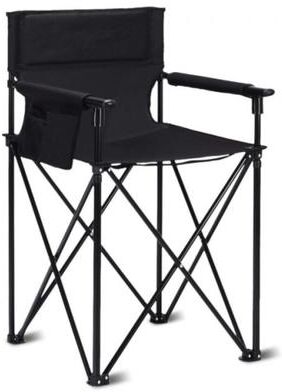
Costway Set of 2 Bamboo Dorm Chair with Storage Pocket for Camping and Fishing-BeigeWith a skin-friendly and breathable canvas fabric top, this chair will provide you with unlimited coziness, and the surface is also easy to clean with just a wet towel.82,99 $*Shipping: 0,00 $Secure redirect to the provider
-
Is stronger evidence of evolution rudimentary structures or atavisms?
Stronger evidence of evolution would likely be atavisms rather than rudimentary structures. Atavisms are traits that reappear in a species after being lost in its evolutionary history, providing a direct link to the species' ancestors and demonstrating the process of evolution. On the other hand, rudimentary structures are remnants of once-functional features that have lost their original purpose over time, which can also provide evidence of evolution but may not be as compelling as atavisms in terms of demonstrating evolutionary processes. **
-
Is a stronger evidence of evolution rudiments or atavisms?
A stronger evidence of evolution would be rudiments rather than atavisms. Rudiments are structures or traits that have lost their original function over time but are still present in an organism, providing evidence of a shared evolutionary history. On the other hand, atavisms are traits that reappear in a species after being absent for generations, which can be seen as a regression rather than progression in evolution. Therefore, rudiments are a more reliable indicator of evolution as they demonstrate gradual changes and adaptations over time. **
-
What is the significance of rudiments and atavisms for the theory of evolution?
Rudiments and atavisms are significant for the theory of evolution because they provide evidence for the process of evolution. Rudiments are structures or organs that have lost their original function over time, indicating a change in the organism's environment or behavior. Atavisms are the reappearance of ancestral traits in a modern organism, suggesting that these traits were once advantageous in the organism's evolutionary history. Both rudiments and atavisms support the idea that organisms have evolved over time, and provide valuable insights into the mechanisms and patterns of evolution. **
-
Search for a fishing lake.
You can search for a fishing lake by using online resources such as fishing websites, state or local government websites, or fishing forums. These resources often provide information on the best fishing lakes in a specific area, including details on the types of fish available, fishing regulations, and amenities. You can also ask local anglers or visit a nearby bait and tackle shop for recommendations on the best fishing lakes in the area. Additionally, consider using mapping apps or GPS devices to locate fishing lakes near your current location. **
* All prices are inclusive of VAT and, if applicable, plus shipping costs. The offer information is based on the details provided by the respective shop and is updated through automated processes. Real-time updates do not occur, so deviations can occur in individual cases. ** Note: Parts of this content were created by AI.