Buy windpointpark.com ?
We are moving the project
windpointpark.com .
Are you interested in purchasing the domain
windpointpark.com ?
domain@kv-gmbh.de · 0541-91531010
Buy windpointpark.com ?
What is a possessive determiner?
A possessive determiner is a word that is used before a noun to show ownership or possession. Examples of possessive determiners include words like "my," "your," "his," "her," "its," "our," and "their." These determiners indicate who the noun belongs to or is associated with. **
What is a possessive determiner in French?
A possessive determiner in French is a word that indicates ownership or possession. It agrees in gender and number with the noun it is describing. Examples of possessive determiners in French include "mon" (my), "ton" (your), "son" (his/her/its), "notre" (our), and "leur" (their). These determiners are placed before the noun they modify. **

Similar search terms for Determiner
Top-Angebote
Products related to Determiner:
-
Multisell Products Hub Compact Monocular Telescope For Travel, Hiking, Fishing, Camping & Bird Watching 1pcDiscover the wonders of nature with the Monocular 1 pc Telescope, your perfect companion for outdoor adventures. Whether you're hiking, fishing, camping, or stargazing, this compact and portable telescope offers crystalclear views and is ideal for...29,97 $*Shipping: 0,00 $Secure redirect to the provider
-
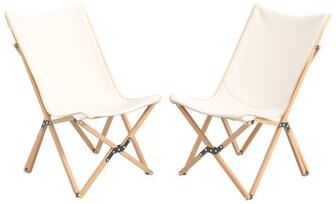
Costway Set of 2 Bamboo Dorm Chair with Storage Pocket for Camping and Fishing-BeigeWith a skin-friendly and breathable canvas fabric top, this chair will provide you with unlimited coziness, and the surface is also easy to clean with just a wet towel.82,99 $*Shipping: 0,00 $Secure redirect to the provider

-
What is a possessive determiner in English?
A possessive determiner in English is a word that is used before a noun to show ownership or possession. Examples of possessive determiners include "my," "your," "his," "her," "its," "our," and "their." These determiners indicate who the noun belongs to or is associated with. Possessive determiners are an essential part of grammar as they help clarify relationships between people or things. **
-
Does French have the demonstrative determiner "cettes"?
No, French does not have the demonstrative determiner "cettes." The correct forms of the demonstrative determiner in French are "cette" for singular feminine nouns, "ce" for singular masculine nouns, and "ces" for plural nouns regardless of gender. "Cettes" is not a standard form in the French language. **
-
Do you capitalize adjectives when they are preceded by a determiner?
In English, adjectives are not capitalized when they are preceded by a determiner. Determiners are words like "the," "a," "an," "this," "my," etc. Adjectives are only capitalized when they are at the beginning of a sentence or part of a proper noun. **
-
Search for a fishing lake.
You can search for a fishing lake by using online resources such as fishing websites, state or local government websites, or fishing forums. These resources often provide information on the best fishing lakes in a specific area, including details on the types of fish available, fishing regulations, and amenities. You can also ask local anglers or visit a nearby bait and tackle shop for recommendations on the best fishing lakes in the area. Additionally, consider using mapping apps or GPS devices to locate fishing lakes near your current location. **

'Searching for a fishing lake.'
When searching for a fishing lake, consider factors such as the type of fish you want to catch, the amenities available at the lake (such as boat rentals or fishing piers), and the regulations in place (such as fishing licenses or catch limits). Researching online or asking local anglers for recommendations can help you find a suitable fishing spot. Additionally, visiting the lake beforehand to scout out potential fishing spots can increase your chances of having a successful fishing trip. **
Do you write adjectives in capital or lowercase letters when there is a determiner before them?
Adjectives are typically written in lowercase letters when there is a determiner before them. Determiners such as articles (a, an, the), possessive pronouns (my, your, his), and demonstratives (this, that) are usually written in lowercase, while the adjective that follows them is also written in lowercase. This maintains consistency in sentence structure and follows standard grammar rules. **
Top-Angebote
Products related to Determiner:
-
ModernMart Spovan Waterproof Fishing Barometer Watch For Hiking, Camping & Outdoor Sports Spovan Waterproof Fishing Barometer Watch For Hiking, Camping & Outdoor SportsNever miss the perfect fishing window again with this rugged fishing barometer watch designed for anglers and outdoor adventurers who rely on precision in changing conditions. Built with realtime pressure tracking, weather monitoring, and water...119,97 $*Shipping: 0,00 $Secure redirect to the provider
-
Multisell Products Hub Compact Monocular Telescope For Travel, Hiking, Fishing, Camping & Bird Watching 1pcDiscover the wonders of nature with the Monocular 1 pc Telescope, your perfect companion for outdoor adventures. Whether you're hiking, fishing, camping, or stargazing, this compact and portable telescope offers crystalclear views and is ideal for...29,97 $*Shipping: 0,00 $Secure redirect to the provider
-
What is a possessive determiner?
A possessive determiner is a word that is used before a noun to show ownership or possession. Examples of possessive determiners include words like "my," "your," "his," "her," "its," "our," and "their." These determiners indicate who the noun belongs to or is associated with. **
-
What is a possessive determiner in French?
A possessive determiner in French is a word that indicates ownership or possession. It agrees in gender and number with the noun it is describing. Examples of possessive determiners in French include "mon" (my), "ton" (your), "son" (his/her/its), "notre" (our), and "leur" (their). These determiners are placed before the noun they modify. **
-
What is a possessive determiner in English?
A possessive determiner in English is a word that is used before a noun to show ownership or possession. Examples of possessive determiners include "my," "your," "his," "her," "its," "our," and "their." These determiners indicate who the noun belongs to or is associated with. Possessive determiners are an essential part of grammar as they help clarify relationships between people or things. **
-
Does French have the demonstrative determiner "cettes"?
No, French does not have the demonstrative determiner "cettes." The correct forms of the demonstrative determiner in French are "cette" for singular feminine nouns, "ce" for singular masculine nouns, and "ces" for plural nouns regardless of gender. "Cettes" is not a standard form in the French language. **
Similar search terms for Determiner
-
Costway Set of 2 Bamboo Dorm Chair with Storage Pocket for Camping and Fishing-BeigeWith a skin-friendly and breathable canvas fabric top, this chair will provide you with unlimited coziness, and the surface is also easy to clean with just a wet towel.82,99 $*Shipping: 0,00 $Secure redirect to the provider
-
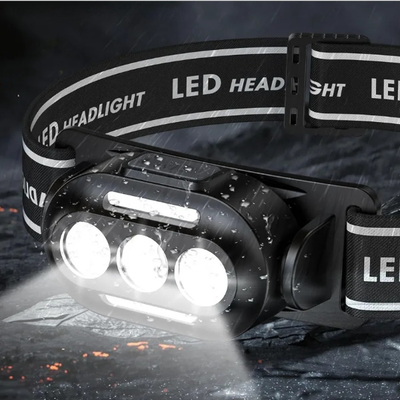
Combo Retail Shop Mini Multi functional Headlamp, USB Rechargeable LED Camping Light For Fishing, Walking Dogs, Running, Cycling, Exercise Mini Multi functional Headlamp, USB Rechargeable LED Camping Light For Fishing, Walking Dogs, Running, Cycling, ExerBrighten Your Outdoor Adventures with the Mini Multifunctional Headlamp Are you tired of fumbling around in the dark during your outdoor activities The Mini Multifunctional Headlamp is the perfect companion for any adventure. Whether you're camping,...39,97 $*Shipping: 0,00 $Secure redirect to the provider
-
Do you capitalize adjectives when they are preceded by a determiner?
In English, adjectives are not capitalized when they are preceded by a determiner. Determiners are words like "the," "a," "an," "this," "my," etc. Adjectives are only capitalized when they are at the beginning of a sentence or part of a proper noun. **
-
Search for a fishing lake.
You can search for a fishing lake by using online resources such as fishing websites, state or local government websites, or fishing forums. These resources often provide information on the best fishing lakes in a specific area, including details on the types of fish available, fishing regulations, and amenities. You can also ask local anglers or visit a nearby bait and tackle shop for recommendations on the best fishing lakes in the area. Additionally, consider using mapping apps or GPS devices to locate fishing lakes near your current location. **
-
'Searching for a fishing lake.'
When searching for a fishing lake, consider factors such as the type of fish you want to catch, the amenities available at the lake (such as boat rentals or fishing piers), and the regulations in place (such as fishing licenses or catch limits). Researching online or asking local anglers for recommendations can help you find a suitable fishing spot. Additionally, visiting the lake beforehand to scout out potential fishing spots can increase your chances of having a successful fishing trip. **
-
Do you write adjectives in capital or lowercase letters when there is a determiner before them?
Adjectives are typically written in lowercase letters when there is a determiner before them. Determiners such as articles (a, an, the), possessive pronouns (my, your, his), and demonstratives (this, that) are usually written in lowercase, while the adjective that follows them is also written in lowercase. This maintains consistency in sentence structure and follows standard grammar rules. **
* All prices are inclusive of VAT and, if applicable, plus shipping costs. The offer information is based on the details provided by the respective shop and is updated through automated processes. Real-time updates do not occur, so deviations can occur in individual cases. ** Note: Parts of this content were created by AI.