Buy windpointpark.com ?
We are moving the project
windpointpark.com .
Are you interested in purchasing the domain
windpointpark.com ?
domain@kv-gmbh.de · 0541-91531010
Buy windpointpark.com ?
When are forests considered to be sparse forests?
Forests are considered to be sparse when the density of trees and vegetation is low, with significant gaps between individual trees and less overall coverage. This can be due to factors such as poor soil quality, limited water availability, or natural disturbances like wildfires or insect infestations. Sparse forests may also result from human activities such as logging or land clearing. In these areas, the canopy cover is less dense, allowing more light to reach the forest floor and creating a different ecological environment compared to denser forests. **
How do monoculture forests differ from natural mixed forests?
Monoculture forests are composed of a single species of tree, typically planted in rows for commercial purposes such as timber production. These forests lack the diversity of species found in natural mixed forests, which contain a variety of tree species, as well as other plants and wildlife. Natural mixed forests are more resilient to pests, diseases, and climate change, as the diversity of species provides a more stable ecosystem. Monoculture forests are more vulnerable to these threats, as a single pest or disease can devastate the entire forest. **

Similar search terms for Forests
Top-Angebote
Products related to Forests:
-
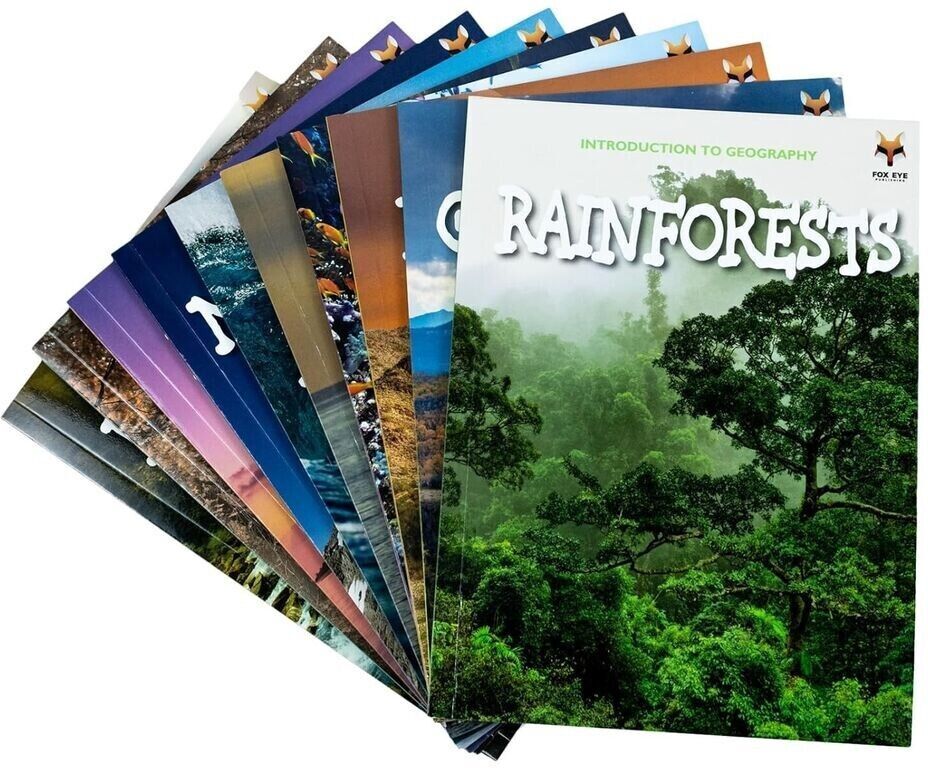
Fox Eye Publishing Introduction to Geography for Beginners by Jasmine Brooke - 10 Book Paperback Collection Set - Ages 7-9 - Coral Reefs, Deserts, Forests & MoreThis 10-book collection set by Jasmine Brooke introduces young explorers to the world's most fascinating landscapes. The set includes titles such as Introduction to Coral Reefs, Introduction to Deserts, and Introduction to Oceans and Seas, each focusing on a single geographical feature. Written in clear, age-appropriate language, the books are designed for children aged 7-9 and build core geography vocabulary. The set is perfect for supporting KS2 topic work and encouraging a sense of adventure about the wider world. The books are published by Fox Eye Publishing and are in brand new condition, printed in paperback format.9,90 £*Shipping: 2,99 £Secure redirect to the provider
-
ModernMart Spovan Waterproof Fishing Barometer Watch For Hiking, Camping & Outdoor Sports Spovan Waterproof Fishing Barometer Watch For Hiking, Camping & Outdoor SportsNever miss the perfect fishing window again with this rugged fishing barometer watch designed for anglers and outdoor adventurers who rely on precision in changing conditions. Built with realtime pressure tracking, weather monitoring, and water...119,97 $*Shipping: 0,00 $Secure redirect to the provider



-
Are there still forests in Germany that simply belong to nature?
Yes, there are still forests in Germany that are left to nature without human intervention. These forests are known as "Urwald" or primeval forests, and they are protected areas where natural processes are allowed to unfold without human interference. These forests play a crucial role in biodiversity conservation and are important for scientific research and understanding of natural ecosystems. Efforts are being made to expand and protect these untouched forests in Germany. **
-
Will our forests survive?
The survival of our forests depends on the actions we take to protect and preserve them. Deforestation, climate change, and unsustainable logging practices are major threats to our forests. By implementing sustainable forest management practices, protecting biodiversity, and combating climate change, we can help ensure the survival of our forests for future generations. It is crucial that we prioritize conservation efforts and work together to protect these vital ecosystems. **
-
How does the pH value differ in coniferous forests and deciduous forests?
The pH value in coniferous forests tends to be more acidic, typically ranging from 4.5 to 6.0, due to the accumulation of acidic needles and organic matter from the trees. In contrast, the pH value in deciduous forests is generally more neutral, ranging from 6.0 to 7.5, as the fallen leaves and organic matter from deciduous trees tend to have a less acidic impact on the soil. This difference in pH levels can affect the types of plants and organisms that thrive in each type of forest ecosystem. **
-
What are forests in biology?
Forests are large areas of land dominated by trees and other woody vegetation. In biology, forests are important ecosystems that support a wide variety of plant and animal species. They play a crucial role in regulating the Earth's climate, as they absorb carbon dioxide and release oxygen through the process of photosynthesis. Forests also provide numerous ecosystem services, such as water purification, soil stabilization, and habitat for wildlife. **


Who is afraid of forests?
Many people have a fear of forests, known as sylvaphobia. This fear can stem from a variety of reasons, including the fear of getting lost, encountering wild animals, or the feeling of being surrounded by dense, unfamiliar vegetation. Additionally, some people may have a fear of the unknown or a general sense of unease in natural, isolated environments. Overall, the fear of forests can be attributed to a combination of personal experiences, cultural influences, and individual perceptions of the natural world. **
Does Brazil protect its forests?
Yes, Brazil has implemented various measures to protect its forests. The country has established a network of protected areas, including national parks and reserves, to conserve its rich biodiversity. Additionally, Brazil has implemented policies to combat deforestation, such as monitoring and enforcement efforts to prevent illegal logging and land clearing. However, deforestation remains a significant issue in Brazil, particularly in the Amazon rainforest, and the country continues to face challenges in effectively protecting its forests. **
Top-Angebote
Products related to Forests:
-
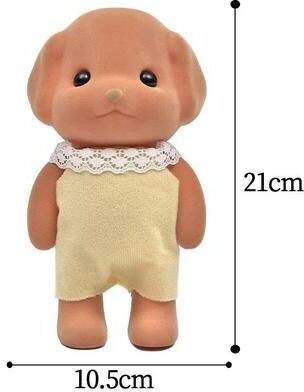
Uplifted Finds Forests Familys Animal Figure With Movable Limbs And Phone Stand Holder dogAdd a touch of whimsical charm to your workspace with this adorable Forests Familys animal figure. Standing at 21cm, this multifunctional ornament is designed with movable limbs, allowing you to pose your favorite character in various cute...79,97 $*Shipping: 0,00 $Secure redirect to the provider
-
Heroscape: Forests of Valhalla Terrain Expansion - Official Heroscape Terrain, Ages 10+, by Renegade Game StudioExpand your Heroscape battlefield with the Forests of Valhalla Terrain Expansion from Renegade Game Studio. This terrain set adds detailed evergreen trees that help create dense woodland environments for tabletop battles. Use the forest terrain to shape movement, provide cover, and break lines of sight as rival armies advance across the map. The trees can help create concealed routes, defensive positions, and ambush points, adding variety to your games. Official Heroscape terrain expansion, this set is designed for use with Heroscape tabletop battles. Combine it with your existing Heroscape terrain and figures to build new tactical scenarios. The product is supplied as one retail expansion unit.30,48 £*Shipping: 3,95 £Secure redirect to the provider
-
Fox Eye Publishing Introduction to Geography for Beginners by Jasmine Brooke - 10 Book Paperback Collection Set - Ages 7-9 - Coral Reefs, Deserts, Forests & MoreThis 10-book collection set by Jasmine Brooke introduces young explorers to the world's most fascinating landscapes. The set includes titles such as Introduction to Coral Reefs, Introduction to Deserts, and Introduction to Oceans and Seas, each focusing on a single geographical feature. Written in clear, age-appropriate language, the books are designed for children aged 7-9 and build core geography vocabulary. The set is perfect for supporting KS2 topic work and encouraging a sense of adventure about the wider world. The books are published by Fox Eye Publishing and are in brand new condition, printed in paperback format.9,90 £*Shipping: 2,99 £Secure redirect to the provider
-
ModernMart Spovan Waterproof Fishing Barometer Watch For Hiking, Camping & Outdoor Sports Spovan Waterproof Fishing Barometer Watch For Hiking, Camping & Outdoor SportsNever miss the perfect fishing window again with this rugged fishing barometer watch designed for anglers and outdoor adventurers who rely on precision in changing conditions. Built with realtime pressure tracking, weather monitoring, and water...119,97 $*Shipping: 0,00 $Secure redirect to the provider
-
When are forests considered to be sparse forests?
Forests are considered to be sparse when the density of trees and vegetation is low, with significant gaps between individual trees and less overall coverage. This can be due to factors such as poor soil quality, limited water availability, or natural disturbances like wildfires or insect infestations. Sparse forests may also result from human activities such as logging or land clearing. In these areas, the canopy cover is less dense, allowing more light to reach the forest floor and creating a different ecological environment compared to denser forests. **
-
How do monoculture forests differ from natural mixed forests?
Monoculture forests are composed of a single species of tree, typically planted in rows for commercial purposes such as timber production. These forests lack the diversity of species found in natural mixed forests, which contain a variety of tree species, as well as other plants and wildlife. Natural mixed forests are more resilient to pests, diseases, and climate change, as the diversity of species provides a more stable ecosystem. Monoculture forests are more vulnerable to these threats, as a single pest or disease can devastate the entire forest. **
-
Are there still forests in Germany that simply belong to nature?
Yes, there are still forests in Germany that are left to nature without human intervention. These forests are known as "Urwald" or primeval forests, and they are protected areas where natural processes are allowed to unfold without human interference. These forests play a crucial role in biodiversity conservation and are important for scientific research and understanding of natural ecosystems. Efforts are being made to expand and protect these untouched forests in Germany. **
-
Will our forests survive?
The survival of our forests depends on the actions we take to protect and preserve them. Deforestation, climate change, and unsustainable logging practices are major threats to our forests. By implementing sustainable forest management practices, protecting biodiversity, and combating climate change, we can help ensure the survival of our forests for future generations. It is crucial that we prioritize conservation efforts and work together to protect these vital ecosystems. **
Similar search terms for Forests
-
Multisell Products Hub Compact Monocular Telescope For Travel, Hiking, Fishing, Camping & Bird Watching 1pcDiscover the wonders of nature with the Monocular 1 pc Telescope, your perfect companion for outdoor adventures. Whether you're hiking, fishing, camping, or stargazing, this compact and portable telescope offers crystalclear views and is ideal for...29,97 $*Shipping: 0,00 $Secure redirect to the provider
-
Costway Set of 2 Bamboo Dorm Chair with Storage Pocket for Camping and Fishing-BeigeWith a skin-friendly and breathable canvas fabric top, this chair will provide you with unlimited coziness, and the surface is also easy to clean with just a wet towel.82,99 $*Shipping: 0,00 $Secure redirect to the provider
-
How does the pH value differ in coniferous forests and deciduous forests?
The pH value in coniferous forests tends to be more acidic, typically ranging from 4.5 to 6.0, due to the accumulation of acidic needles and organic matter from the trees. In contrast, the pH value in deciduous forests is generally more neutral, ranging from 6.0 to 7.5, as the fallen leaves and organic matter from deciduous trees tend to have a less acidic impact on the soil. This difference in pH levels can affect the types of plants and organisms that thrive in each type of forest ecosystem. **
-
What are forests in biology?
Forests are large areas of land dominated by trees and other woody vegetation. In biology, forests are important ecosystems that support a wide variety of plant and animal species. They play a crucial role in regulating the Earth's climate, as they absorb carbon dioxide and release oxygen through the process of photosynthesis. Forests also provide numerous ecosystem services, such as water purification, soil stabilization, and habitat for wildlife. **
-
Who is afraid of forests?
Many people have a fear of forests, known as sylvaphobia. This fear can stem from a variety of reasons, including the fear of getting lost, encountering wild animals, or the feeling of being surrounded by dense, unfamiliar vegetation. Additionally, some people may have a fear of the unknown or a general sense of unease in natural, isolated environments. Overall, the fear of forests can be attributed to a combination of personal experiences, cultural influences, and individual perceptions of the natural world. **
-
Does Brazil protect its forests?
Yes, Brazil has implemented various measures to protect its forests. The country has established a network of protected areas, including national parks and reserves, to conserve its rich biodiversity. Additionally, Brazil has implemented policies to combat deforestation, such as monitoring and enforcement efforts to prevent illegal logging and land clearing. However, deforestation remains a significant issue in Brazil, particularly in the Amazon rainforest, and the country continues to face challenges in effectively protecting its forests. **
* All prices are inclusive of VAT and, if applicable, plus shipping costs. The offer information is based on the details provided by the respective shop and is updated through automated processes. Real-time updates do not occur, so deviations can occur in individual cases. ** Note: Parts of this content were created by AI.