Buy windpointpark.com ?
We are moving the project
windpointpark.com .
Are you interested in purchasing the domain
windpointpark.com ?
domain@kv-gmbh.de · 0541-91531010
Buy windpointpark.com ?
How is a mountain lake formed?
A mountain lake is typically formed by a combination of geological processes such as glaciation, tectonic activity, and erosion. Glaciers can carve out depressions in the landscape, which can then fill with water to create a lake. Tectonic activity, such as the shifting of Earth's crust, can also create depressions that can fill with water. Additionally, erosion from rivers or streams can create basins that collect water and form lakes. Overall, mountain lakes are formed through a combination of natural processes that shape the landscape over time. **
How are hotspots formed?
Hotspots are formed by a plume of hot magma rising from deep within the Earth's mantle. As the tectonic plate moves over the stationary hotspot, a series of volcanic eruptions occur, creating a chain of volcanic islands or seamounts. Over time, as the plate continues to move, new volcanic activity may form in a different location, leading to the creation of a new hotspot. This process results in the formation of volcanic island chains, such as the Hawaiian Islands. **

Similar search terms for Formed
Top-Angebote
Products related to Formed:
-
ModernMart Spovan Waterproof Fishing Barometer Watch For Hiking, Camping & Outdoor Sports Spovan Waterproof Fishing Barometer Watch For Hiking, Camping & Outdoor SportsNever miss the perfect fishing window again with this rugged fishing barometer watch designed for anglers and outdoor adventurers who rely on precision in changing conditions. Built with realtime pressure tracking, weather monitoring, and water...119,97 $*Shipping: 0,00 $Secure redirect to the provider
-
Multisell Products Hub Compact Monocular Telescope For Travel, Hiking, Fishing, Camping & Bird Watching 1pcDiscover the wonders of nature with the Monocular 1 pc Telescope, your perfect companion for outdoor adventures. Whether you're hiking, fishing, camping, or stargazing, this compact and portable telescope offers crystalclear views and is ideal for...29,97 $*Shipping: 0,00 $Secure redirect to the provider




-
How is cellobiose formed?
Cellobiose is formed through the hydrolysis of cellulose, which is a polysaccharide found in the cell walls of plants. Enzymes called cellulases break down the cellulose into its component sugar units, releasing cellobiose as a disaccharide. Cellobiose consists of two glucose molecules linked together by a beta-1,4 glycosidic bond. This process of breaking down cellulose into cellobiose is essential for organisms like bacteria and fungi that can utilize cellobiose as a source of energy. **
-
How is ATP formed?
ATP is formed through the process of cellular respiration, which occurs in the mitochondria of cells. During cellular respiration, glucose is broken down in a series of steps, releasing energy that is used to convert ADP (adenosine diphosphate) into ATP (adenosine triphosphate). This process involves the electron transport chain and the production of ATP synthase, which adds a phosphate group to ADP to form ATP. Overall, ATP is formed through the transfer of energy from glucose to ADP, creating a molecule that serves as the primary energy source for cellular activities. **
-
How are mitochondria formed?
Mitochondria are formed through a process called mitochondrial biogenesis, which involves the growth and division of existing mitochondria. Mitochondria have their own DNA and can replicate independently of the cell's nucleus. When a cell needs more energy, it signals for the production of new mitochondria through a complex interplay of signaling pathways and regulatory proteins. This process ensures that the cell has an adequate supply of mitochondria to meet its energy demands. **
-
How are molecules formed?
Molecules are formed through chemical bonding between atoms. Atoms can either share electrons to form covalent bonds or transfer electrons to form ionic bonds. The type of bonding that occurs depends on the elements involved and their tendency to gain, lose, or share electrons. Once atoms are bonded together, they form a stable structure known as a molecule. **


Why are coalitions formed?
Coalitions are formed to achieve common goals or objectives that individual members cannot accomplish alone. By joining forces, members can pool their resources, expertise, and influence to increase their collective power and effectiveness. Coalitions also provide a platform for different stakeholders to come together, share perspectives, and work towards finding mutually beneficial solutions to complex issues. Additionally, forming coalitions can help amplify the voices of marginalized or underrepresented groups, leading to greater impact and social change. **
How is skin formed?
Skin is formed through a process called skin cell proliferation and differentiation. The outer layer of the skin, known as the epidermis, is made up of several layers of cells that are constantly being shed and replaced. The inner layer, called the dermis, contains collagen and elastin fibers that provide structure and elasticity to the skin. Skin cells are produced in the deepest layer of the epidermis, called the basal layer, and as they move towards the surface, they undergo a process of differentiation and eventually die to form the protective barrier of the skin. **
Top-Angebote
Products related to Formed:
-
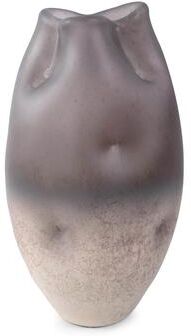
Allan Andrews Electric Flow Free Formed VaseThis hand-blown vase features a captivating ombre effect, blending cool gray and aubergine with warm beige and gold. With its unique shape and matte finish, it brings a modern touch to any design.189,00 $*Shipping: 0,00 $Secure redirect to the provider
-
Atlas Lighting and Home Atlas Metcalf Hand-Formed Bubbled Glass VaseExperience the artistry of the Metcalf Vase. Made from hand-formed bubbled glass, this heavyweight ribbed vase is a testament to craftsmanship and a true work of art for your home.98,00 $*Shipping: 0,00 $Secure redirect to the provider
-
ModernMart Spovan Waterproof Fishing Barometer Watch For Hiking, Camping & Outdoor Sports Spovan Waterproof Fishing Barometer Watch For Hiking, Camping & Outdoor SportsNever miss the perfect fishing window again with this rugged fishing barometer watch designed for anglers and outdoor adventurers who rely on precision in changing conditions. Built with realtime pressure tracking, weather monitoring, and water...119,97 $*Shipping: 0,00 $Secure redirect to the provider
-
How is a mountain lake formed?
A mountain lake is typically formed by a combination of geological processes such as glaciation, tectonic activity, and erosion. Glaciers can carve out depressions in the landscape, which can then fill with water to create a lake. Tectonic activity, such as the shifting of Earth's crust, can also create depressions that can fill with water. Additionally, erosion from rivers or streams can create basins that collect water and form lakes. Overall, mountain lakes are formed through a combination of natural processes that shape the landscape over time. **
-
How are hotspots formed?
Hotspots are formed by a plume of hot magma rising from deep within the Earth's mantle. As the tectonic plate moves over the stationary hotspot, a series of volcanic eruptions occur, creating a chain of volcanic islands or seamounts. Over time, as the plate continues to move, new volcanic activity may form in a different location, leading to the creation of a new hotspot. This process results in the formation of volcanic island chains, such as the Hawaiian Islands. **
-
How is cellobiose formed?
Cellobiose is formed through the hydrolysis of cellulose, which is a polysaccharide found in the cell walls of plants. Enzymes called cellulases break down the cellulose into its component sugar units, releasing cellobiose as a disaccharide. Cellobiose consists of two glucose molecules linked together by a beta-1,4 glycosidic bond. This process of breaking down cellulose into cellobiose is essential for organisms like bacteria and fungi that can utilize cellobiose as a source of energy. **
-
How is ATP formed?
ATP is formed through the process of cellular respiration, which occurs in the mitochondria of cells. During cellular respiration, glucose is broken down in a series of steps, releasing energy that is used to convert ADP (adenosine diphosphate) into ATP (adenosine triphosphate). This process involves the electron transport chain and the production of ATP synthase, which adds a phosphate group to ADP to form ATP. Overall, ATP is formed through the transfer of energy from glucose to ADP, creating a molecule that serves as the primary energy source for cellular activities. **
Similar search terms for Formed
-
Multisell Products Hub Compact Monocular Telescope For Travel, Hiking, Fishing, Camping & Bird Watching 1pcDiscover the wonders of nature with the Monocular 1 pc Telescope, your perfect companion for outdoor adventures. Whether you're hiking, fishing, camping, or stargazing, this compact and portable telescope offers crystalclear views and is ideal for...29,97 $*Shipping: 0,00 $Secure redirect to the provider
-
How are mitochondria formed?
Mitochondria are formed through a process called mitochondrial biogenesis, which involves the growth and division of existing mitochondria. Mitochondria have their own DNA and can replicate independently of the cell's nucleus. When a cell needs more energy, it signals for the production of new mitochondria through a complex interplay of signaling pathways and regulatory proteins. This process ensures that the cell has an adequate supply of mitochondria to meet its energy demands. **
-
How are molecules formed?
Molecules are formed through chemical bonding between atoms. Atoms can either share electrons to form covalent bonds or transfer electrons to form ionic bonds. The type of bonding that occurs depends on the elements involved and their tendency to gain, lose, or share electrons. Once atoms are bonded together, they form a stable structure known as a molecule. **
-
Why are coalitions formed?
Coalitions are formed to achieve common goals or objectives that individual members cannot accomplish alone. By joining forces, members can pool their resources, expertise, and influence to increase their collective power and effectiveness. Coalitions also provide a platform for different stakeholders to come together, share perspectives, and work towards finding mutually beneficial solutions to complex issues. Additionally, forming coalitions can help amplify the voices of marginalized or underrepresented groups, leading to greater impact and social change. **
-
How is skin formed?
Skin is formed through a process called skin cell proliferation and differentiation. The outer layer of the skin, known as the epidermis, is made up of several layers of cells that are constantly being shed and replaced. The inner layer, called the dermis, contains collagen and elastin fibers that provide structure and elasticity to the skin. Skin cells are produced in the deepest layer of the epidermis, called the basal layer, and as they move towards the surface, they undergo a process of differentiation and eventually die to form the protective barrier of the skin. **
* All prices are inclusive of VAT and, if applicable, plus shipping costs. The offer information is based on the details provided by the respective shop and is updated through automated processes. Real-time updates do not occur, so deviations can occur in individual cases. ** Note: Parts of this content were created by AI.