Buy windpointpark.com ?
We are moving the project
windpointpark.com .
Are you interested in purchasing the domain
windpointpark.com ?
domain@kv-gmbh.de · 0541-91531010
Buy windpointpark.com ?
Are surfactants soaps?
Surfactants are not the same as soaps, although they are often used in conjunction with each other in cleaning products. Soaps are typically made from natural fats and oils, while surfactants are synthetic compounds that help to reduce the surface tension of water and allow it to mix with oils and dirt. Surfactants are more versatile and effective in a wider range of water conditions compared to traditional soaps. **
How is propolis produced?
Propolis is produced by honeybees using resin collected from tree buds, sap flows, or other botanical sources. The bees mix the resin with wax, enzymes, and pollen to create propolis. They use this sticky substance to seal cracks in their hive, protect against predators and pathogens, and maintain the hive's structural integrity. The composition of propolis can vary depending on the geographic location of the bees and the types of plants available to them. **
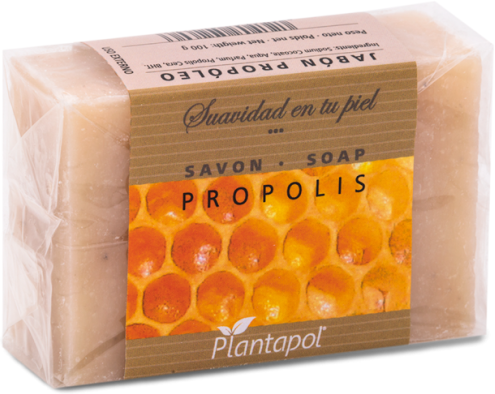
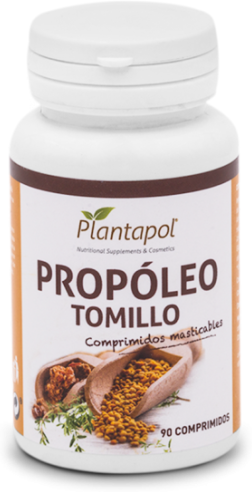
Similar search terms for PlantaPol-Natural-soaps-Propolis
Top-Angebote
Products related to PlantaPol-Natural-soaps-Propolis:
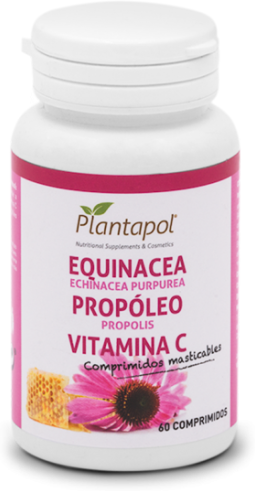

-
How is propolis made?
Propolis is made by honeybees collecting resin from tree buds, sap flows, or other botanical sources. The bees mix the resin with wax, enzymes, and pollen to create a sticky, greenish-brown substance. They then use this propolis to seal cracks in their hive, protect against intruders, and maintain a sterile environment. The antimicrobial properties of propolis help to keep the hive healthy and free from pathogens. **
-
Is propolis ointment suitable for tattoos?
Propolis ointment is not typically recommended for use on tattoos. While propolis has antibacterial and anti-inflammatory properties that may help with wound healing, it can also cause allergic reactions in some individuals. It is important to use products specifically designed for tattoo aftercare to ensure proper healing and to avoid any potential adverse reactions. Consulting with a tattoo artist or dermatologist for recommendations on aftercare products would be the best course of action. **
-
Is propolis the same as beeswax?
No, propolis is not the same as beeswax. Propolis is a resinous substance that bees collect from tree buds and sap, and then mix with their own enzymes. It is used to seal and protect the beehive. Beeswax, on the other hand, is a natural wax produced by honeybees to build their honeycomb. While both propolis and beeswax are produced by bees and have similar uses in the hive, they are distinct substances with different compositions and properties. **
-
Are soaps really made from bones?
No, soaps are not typically made from bones. Traditionally, soaps were made using animal fats, including fats from bones, but modern soaps are usually made from a combination of oils, such as coconut, olive, or palm oil, along with other ingredients like lye and water. These ingredients are mixed together and undergo a chemical process called saponification to create soap. While some specialty soaps may still use animal fats, the majority of commercially available soaps do not contain bone-derived ingredients. **


Can propolis capsules be beneficial for fever?
Propolis capsules may have some benefits for fever due to their anti-inflammatory and antimicrobial properties. Propolis has been traditionally used to help boost the immune system and fight off infections, which can be helpful in reducing fever. However, it is important to consult with a healthcare provider before using propolis capsules for fever, as they may interact with certain medications or have side effects for some individuals. **
How does propolis tincture work against pimples?
Propolis tincture works against pimples due to its antibacterial and anti-inflammatory properties. It helps to kill acne-causing bacteria on the skin's surface and reduce inflammation, which can help to clear up existing pimples and prevent new ones from forming. Additionally, propolis tincture can help to balance the skin's oil production and promote healing, making it an effective natural remedy for acne-prone skin. **
Top-Angebote
Products related to PlantaPol-Natural-soaps-Propolis:
-
Are surfactants soaps?
Surfactants are not the same as soaps, although they are often used in conjunction with each other in cleaning products. Soaps are typically made from natural fats and oils, while surfactants are synthetic compounds that help to reduce the surface tension of water and allow it to mix with oils and dirt. Surfactants are more versatile and effective in a wider range of water conditions compared to traditional soaps. **
-
How is propolis produced?
Propolis is produced by honeybees using resin collected from tree buds, sap flows, or other botanical sources. The bees mix the resin with wax, enzymes, and pollen to create propolis. They use this sticky substance to seal cracks in their hive, protect against predators and pathogens, and maintain the hive's structural integrity. The composition of propolis can vary depending on the geographic location of the bees and the types of plants available to them. **
-
How is propolis made?
Propolis is made by honeybees collecting resin from tree buds, sap flows, or other botanical sources. The bees mix the resin with wax, enzymes, and pollen to create a sticky, greenish-brown substance. They then use this propolis to seal cracks in their hive, protect against intruders, and maintain a sterile environment. The antimicrobial properties of propolis help to keep the hive healthy and free from pathogens. **
-
Is propolis ointment suitable for tattoos?
Propolis ointment is not typically recommended for use on tattoos. While propolis has antibacterial and anti-inflammatory properties that may help with wound healing, it can also cause allergic reactions in some individuals. It is important to use products specifically designed for tattoo aftercare to ensure proper healing and to avoid any potential adverse reactions. Consulting with a tattoo artist or dermatologist for recommendations on aftercare products would be the best course of action. **
Similar search terms for PlantaPol-Natural-soaps-Propolis
-
Soria Natural Capsules 30-S - PropolisNutrition and Supplements Royal jelly, bee pollen and propolis Soria Natural Capsules 30-S - Propolis Dietary supplement. Plant-based, sustained-release capsules with high absorption and effectiveness. Designed for ease and safety of use, greater therapeutic value, and greater dosage convenience. Store in a cool, dry place. Box with 30 Capsules of 615 mg.9,39 £*Shipping: 3,99 £Secure redirect to the provider
-
Is propolis the same as beeswax?
No, propolis is not the same as beeswax. Propolis is a resinous substance that bees collect from tree buds and sap, and then mix with their own enzymes. It is used to seal and protect the beehive. Beeswax, on the other hand, is a natural wax produced by honeybees to build their honeycomb. While both propolis and beeswax are produced by bees and have similar uses in the hive, they are distinct substances with different compositions and properties. **
-
Are soaps really made from bones?
No, soaps are not typically made from bones. Traditionally, soaps were made using animal fats, including fats from bones, but modern soaps are usually made from a combination of oils, such as coconut, olive, or palm oil, along with other ingredients like lye and water. These ingredients are mixed together and undergo a chemical process called saponification to create soap. While some specialty soaps may still use animal fats, the majority of commercially available soaps do not contain bone-derived ingredients. **
-
Can propolis capsules be beneficial for fever?
Propolis capsules may have some benefits for fever due to their anti-inflammatory and antimicrobial properties. Propolis has been traditionally used to help boost the immune system and fight off infections, which can be helpful in reducing fever. However, it is important to consult with a healthcare provider before using propolis capsules for fever, as they may interact with certain medications or have side effects for some individuals. **
-
How does propolis tincture work against pimples?
Propolis tincture works against pimples due to its antibacterial and anti-inflammatory properties. It helps to kill acne-causing bacteria on the skin's surface and reduce inflammation, which can help to clear up existing pimples and prevent new ones from forming. Additionally, propolis tincture can help to balance the skin's oil production and promote healing, making it an effective natural remedy for acne-prone skin. **
* All prices are inclusive of VAT and, if applicable, plus shipping costs. The offer information is based on the details provided by the respective shop and is updated through automated processes. Real-time updates do not occur, so deviations can occur in individual cases. ** Note: Parts of this content were created by AI.