Buy windpointpark.com ?
We are moving the project
windpointpark.com .
Are you interested in purchasing the domain
windpointpark.com ?
domain@kv-gmbh.de · 0541-91531010
Buy windpointpark.com ?
For which pH values are acidic or basic particles responsible?
Acidic particles are responsible for lower pH values, typically below 7. Basic particles, on the other hand, are responsible for higher pH values, typically above 7. pH values closer to 7 are considered neutral, meaning there is a balance between acidic and basic particles. **
What is the isoelectric point (pH) of acidic and basic substances?
The isoelectric point (pH) of acidic substances is typically below 7, meaning they have a pH lower than 7 when they carry no net charge. On the other hand, the isoelectric point of basic substances is typically above 7, meaning they have a pH higher than 7 when they carry no net charge. At their isoelectric point, acidic and basic substances have an equal number of positive and negative charges, resulting in no overall charge. **
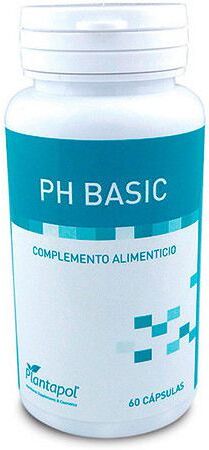

Similar search terms for PlantaPol-Ph-Basic-60
Top-Angebote
Products related to PlantaPol-Ph-Basic-60:
-
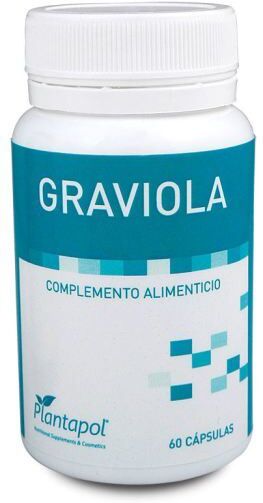
PlantaPol Graviola 60 CapsulesNutrition and Supplements Natural Extracts PlantaPol Graviola 60 Capsules Graviola is rich in anonaceous acetogenins. It is a supplement to your diet that favors the healthy development of cells and all their functions.22,86 £*Shipping: 3,99 £Secure redirect to the provider
-
For which pH values are which particles responsible, acidic or basic?
Acidic pH values are typically associated with an excess of hydrogen ions (H+), which are responsible for the acidic properties. Basic pH values, on the other hand, are associated with an excess of hydroxide ions (OH-), which are responsible for the basic properties. In summary, acidic particles are responsible for lower pH values, while basic particles are responsible for higher pH values. **
-
Which substance causes a shift in the pH towards the basic range when dissolved in water?
Substances that cause a shift in pH towards the basic range when dissolved in water are called bases. Bases release hydroxide ions (OH-) when dissolved in water, which then react with hydrogen ions (H+) to form water, thus reducing the concentration of H+ ions and increasing the pH. Examples of common bases include sodium hydroxide (NaOH), potassium hydroxide (KOH), and ammonia (NH3). **
-
How is the neutralization of pH 8 with pH 1 achieved?
Neutralization of pH 8 with pH 1 is achieved by adding a strong acid, such as hydrochloric acid (pH 1), to the solution with pH 8. The strong acid will react with the base present in the pH 8 solution, resulting in the formation of water and a salt. The amount of acid added must be carefully controlled to reach a pH close to 7, which is considered neutral. The process continues until the desired pH is achieved, indicating that the solution is now neutralized. **
-
What are pH indicators?
pH indicators are substances that change color in response to the acidity or alkalinity of a solution. They are often used in chemistry and biology to determine the pH of a solution, which is a measure of how acidic or basic it is. pH indicators work by changing their molecular structure in response to the hydrogen ion concentration in the solution, resulting in a visible color change that can be used to determine the pH of the solution. Common examples of pH indicators include litmus paper, phenolphthalein, and universal indicator solution. **

How can I lower the pH of a 500 ml sodium hydroxide solution from pH 13 to pH 11?
To lower the pH of a sodium hydroxide solution from pH 13 to pH 11, you can add a weak acid to the solution. One option is to add a small amount of hydrochloric acid (HCl) to the solution, which will react with the sodium hydroxide to form water and sodium chloride. This reaction will lower the pH of the solution. It is important to add the acid slowly and carefully, while monitoring the pH, to avoid over-acidifying the solution. **
How is the neutralization of pH 8 with pH 1 carried out?
Neutralization of pH 8 with pH 1 can be carried out by adding a strong base, such as sodium hydroxide, to the pH 8 solution. The strong base will react with the acidic solution, raising the pH towards neutrality. The process should be done gradually and with caution to avoid over-neutralizing the solution. It is important to monitor the pH level during the process to ensure that the desired pH level is achieved. **
Top-Angebote
Products related to PlantaPol-Ph-Basic-60:
-
PlantaPol Ph Basic 60 CapsulesNutrition and Supplements Special supplements PlantaPol Ph Basic 60 Capsules PH Basic is a combination of minerals indicated to balance the body's pH, in cases where there is excess acidity, the result of a diet poor in alkalizing foods. How to use. From 2 to 6 capsules a day, with a little water. The number of capsules depends on the degree of acidity of the person.13,38 £*Shipping: 3,99 £Secure redirect to the provider
-
NaturesPlus Ph Basic 60 CapsulesNutrition and Supplements Special supplements NaturesPlus Ph Basic 60 Capsules Nature's Plus PH Basic is a supplement designed to restore acid-base balance. The body requires an optimal pH environment for the proper functioning of its organs. Today's diet and lifestyle promote an acidic environment, which can lead to decalcification problems, rheumatism, degenerative diseases, and skin lesions (dermatitis, psoriasis, atopic skin). Nature's Plus PH Basic contains 79-85% citrates, which, thanks to its basic structure, buffer acidity, forming a neutral salt. If plasma pH is properly regulated, urine pH should range between 7 and 7.5, starting with the second urination of the morning. The first urination of the morning may have a value of 5 or lower, as it is during the night that the kidneys eliminate acidic waste. Recommendations: Take one (1) to two (2) capsules daily.16,58 £*Shipping: 3,99 £Secure redirect to the provider
-
For which pH values are acidic or basic particles responsible?
Acidic particles are responsible for lower pH values, typically below 7. Basic particles, on the other hand, are responsible for higher pH values, typically above 7. pH values closer to 7 are considered neutral, meaning there is a balance between acidic and basic particles. **
-
What is the isoelectric point (pH) of acidic and basic substances?
The isoelectric point (pH) of acidic substances is typically below 7, meaning they have a pH lower than 7 when they carry no net charge. On the other hand, the isoelectric point of basic substances is typically above 7, meaning they have a pH higher than 7 when they carry no net charge. At their isoelectric point, acidic and basic substances have an equal number of positive and negative charges, resulting in no overall charge. **
-
For which pH values are which particles responsible, acidic or basic?
Acidic pH values are typically associated with an excess of hydrogen ions (H+), which are responsible for the acidic properties. Basic pH values, on the other hand, are associated with an excess of hydroxide ions (OH-), which are responsible for the basic properties. In summary, acidic particles are responsible for lower pH values, while basic particles are responsible for higher pH values. **
-
Which substance causes a shift in the pH towards the basic range when dissolved in water?
Substances that cause a shift in pH towards the basic range when dissolved in water are called bases. Bases release hydroxide ions (OH-) when dissolved in water, which then react with hydrogen ions (H+) to form water, thus reducing the concentration of H+ ions and increasing the pH. Examples of common bases include sodium hydroxide (NaOH), potassium hydroxide (KOH), and ammonia (NH3). **
Similar search terms for PlantaPol-Ph-Basic-60
-
PlantaPol Graviola 60 CapsulesNutrition and Supplements Natural Extracts PlantaPol Graviola 60 Capsules Graviola is rich in anonaceous acetogenins. It is a supplement to your diet that favors the healthy development of cells and all their functions.22,86 £*Shipping: 3,99 £Secure redirect to the provider
-
PlantaPol Bacopol 60 CapsulesNutrition and Supplements Natural Extracts PlantaPol Bacopol 60 Capsules Plantapol's Bacopol is a dietary supplement designed to promote cognitive function and improve memory. Bacopa (Bacopa monnieri) - It's a small plant from the Scrophulaceae family. It has been used in natural medicine for 3,000 years. It's an adaptogenic, nootropic, and antioxidant plant that improves cognitive function and memory. Phosphatidyl L-serine - Phosphatidylserine is a dietary supplement that has received some interest as a potential treatment for Alzheimer's disease and other memory problems. The main natural source of phosphatidylserine is soy lecithin. Gikgo biloba - Ginkgo extract has been traditionally used in Chinese medicine and is the most commonly used herbal medicine in Europe. It is used to support memory and concentration and combat stress and anxiety. Green tea extract (Camellia sinensis) - Provides caffeine and L-theanine, two compounds that can help strengthen working memory and attention. Vitamin B6 - Vitamin B6 helps reduce tiredness and fatigue.14,76 £*Shipping: 3,99 £Secure redirect to the provider
-
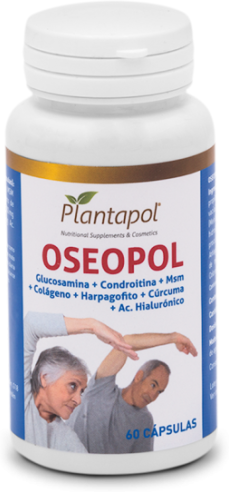
PlantaPol Oseopol 60 CapsulesNutrition and Supplements Collagens and Cartilage PlantaPol Oseopol 60 Capsules Maintenance of the osteoarticular system Active joint regenerator: cartilage, joints, bones flexible joints How to use: Take 2 capsules a day swallowed with water after meals.17,13 £*Shipping: 3,99 £Secure redirect to the provider
-
How is the neutralization of pH 8 with pH 1 achieved?
Neutralization of pH 8 with pH 1 is achieved by adding a strong acid, such as hydrochloric acid (pH 1), to the solution with pH 8. The strong acid will react with the base present in the pH 8 solution, resulting in the formation of water and a salt. The amount of acid added must be carefully controlled to reach a pH close to 7, which is considered neutral. The process continues until the desired pH is achieved, indicating that the solution is now neutralized. **
-
What are pH indicators?
pH indicators are substances that change color in response to the acidity or alkalinity of a solution. They are often used in chemistry and biology to determine the pH of a solution, which is a measure of how acidic or basic it is. pH indicators work by changing their molecular structure in response to the hydrogen ion concentration in the solution, resulting in a visible color change that can be used to determine the pH of the solution. Common examples of pH indicators include litmus paper, phenolphthalein, and universal indicator solution. **
-
How can I lower the pH of a 500 ml sodium hydroxide solution from pH 13 to pH 11?
To lower the pH of a sodium hydroxide solution from pH 13 to pH 11, you can add a weak acid to the solution. One option is to add a small amount of hydrochloric acid (HCl) to the solution, which will react with the sodium hydroxide to form water and sodium chloride. This reaction will lower the pH of the solution. It is important to add the acid slowly and carefully, while monitoring the pH, to avoid over-acidifying the solution. **
-
How is the neutralization of pH 8 with pH 1 carried out?
Neutralization of pH 8 with pH 1 can be carried out by adding a strong base, such as sodium hydroxide, to the pH 8 solution. The strong base will react with the acidic solution, raising the pH towards neutrality. The process should be done gradually and with caution to avoid over-neutralizing the solution. It is important to monitor the pH level during the process to ensure that the desired pH level is achieved. **
* All prices are inclusive of VAT and, if applicable, plus shipping costs. The offer information is based on the details provided by the respective shop and is updated through automated processes. Real-time updates do not occur, so deviations can occur in individual cases. ** Note: Parts of this content were created by AI.