Buy windpointpark.com ?
We are moving the project
windpointpark.com .
Are you interested in purchasing the domain
windpointpark.com ?
domain@kv-gmbh.de · 0541-91531010
Buy windpointpark.com ?
What is saltatory conduction?
Saltatory conduction is a process by which nerve impulses travel down a myelinated axon. Instead of traveling in a continuous manner, the nerve impulse jumps from one node of Ranvier to the next, which are the gaps in the myelin sheath. This allows for faster conduction of the nerve impulse, as it does not have to travel the entire length of the axon. Saltatory conduction is an efficient way for nerve impulses to travel, and it is a key mechanism for rapid communication within the nervous system. **
Why does saltatory conduction require less energy than continuous conduction?
Saltatory conduction requires less energy than continuous conduction because it occurs in myelinated neurons, which have gaps called nodes of Ranvier. In saltatory conduction, the action potential jumps from one node to the next, skipping the myelinated regions in between. This allows for faster transmission of the action potential and reduces the amount of energy needed to propagate the signal along the axon. In contrast, continuous conduction occurs in unmyelinated neurons and requires the action potential to travel along the entire length of the axon, resulting in a slower and more energy-intensive process. **


Similar search terms for Saltatory
Top-Angebote
Products related to Saltatory:
-
Multisell Products Hub Compact Monocular Telescope For Travel, Hiking, Fishing, Camping & Bird Watching 1pcDiscover the wonders of nature with the Monocular 1 pc Telescope, your perfect companion for outdoor adventures. Whether you're hiking, fishing, camping, or stargazing, this compact and portable telescope offers crystalclear views and is ideal for...29,97 $*Shipping: 0,00 $Secure redirect to the provider



-
How are the structure and function of saltatory conduction related?
The structure and function of saltatory conduction are related in that the structure of myelinated axons allows for the function of rapid and efficient nerve impulse transmission. The myelin sheath, which is the structure of myelinated axons, acts as an insulating layer that increases the speed of nerve impulse conduction. This allows for the function of saltatory conduction, where the nerve impulse jumps from one node of Ranvier to the next, rather than traveling continuously along the entire length of the axon. This results in faster and more efficient transmission of nerve impulses, which is essential for quick and coordinated responses in the nervous system. **
-
What is the difference between saltatory and continuous conduction of excitation?
Saltatory conduction is a faster method of transmitting nerve impulses where the action potential jumps from one node of Ranvier to the next in myelinated neurons. This allows for quicker transmission of signals compared to continuous conduction, where the action potential travels along the entire length of the unmyelinated neuron. Continuous conduction is slower because the action potential must travel through every part of the neuron, while saltatory conduction is faster and more energy-efficient due to the insulation provided by the myelin sheath. **
-
What are the advantages and disadvantages of saltatory and continuous conduction of stimuli?
The advantage of saltatory conduction is that it is faster and more energy-efficient than continuous conduction. This is because the action potential jumps from one node of Ranvier to the next, rather than traveling along the entire length of the axon. However, the disadvantage is that it requires a myelin sheath, which is not present in all neurons. Continuous conduction, on the other hand, is slower and requires more energy, but it can occur in unmyelinated neurons. Overall, saltatory conduction is more efficient, while continuous conduction is more universal. **
-
Does active and passive excitation have anything to do with saltatory and continuous excitation conduction?
Yes, active and passive excitation are related to saltatory and continuous excitation conduction. Active excitation occurs when an action potential is generated and propagated along the entire length of the axon, resulting in continuous excitation conduction. On the other hand, passive excitation occurs when the action potential is only generated at the nodes of Ranvier in myelinated axons, leading to saltatory excitation conduction. In saltatory conduction, the action potential "jumps" from one node to the next, allowing for faster conduction of the signal. Therefore, the type of excitation (active or passive) is directly related to the type of excitation conduction (continuous or saltatory). **

Search for a fishing lake.
You can search for a fishing lake by using online resources such as fishing websites, state or local government websites, or fishing forums. These resources often provide information on the best fishing lakes in a specific area, including details on the types of fish available, fishing regulations, and amenities. You can also ask local anglers or visit a nearby bait and tackle shop for recommendations on the best fishing lakes in the area. Additionally, consider using mapping apps or GPS devices to locate fishing lakes near your current location. **
'Searching for a fishing lake.'
When searching for a fishing lake, consider factors such as the type of fish you want to catch, the amenities available at the lake (such as boat rentals or fishing piers), and the regulations in place (such as fishing licenses or catch limits). Researching online or asking local anglers for recommendations can help you find a suitable fishing spot. Additionally, visiting the lake beforehand to scout out potential fishing spots can increase your chances of having a successful fishing trip. **
Top-Angebote
Products related to Saltatory:
-
ModernMart Spovan Waterproof Fishing Barometer Watch For Hiking, Camping & Outdoor Sports Spovan Waterproof Fishing Barometer Watch For Hiking, Camping & Outdoor SportsNever miss the perfect fishing window again with this rugged fishing barometer watch designed for anglers and outdoor adventurers who rely on precision in changing conditions. Built with realtime pressure tracking, weather monitoring, and water...119,97 $*Shipping: 0,00 $Secure redirect to the provider
-
Modern Mode Marketplace Fixed Blade Knife With Kydex Sheath For Camping And Fishing Fixed Blade Knife With Kydex Sheath For Camping And FishingBe ready for the small cutting tasks that make every outdoor trip smoother. This EDC fixed blade knife is built for campers, anglers, hikers, and everyday users who want a compact tool that feels dependable in hand. Its 8Cr13MoV steel knife blade...44,97 $*Shipping: 0,00 $Secure redirect to the provider
-
What is saltatory conduction?
Saltatory conduction is a process by which nerve impulses travel down a myelinated axon. Instead of traveling in a continuous manner, the nerve impulse jumps from one node of Ranvier to the next, which are the gaps in the myelin sheath. This allows for faster conduction of the nerve impulse, as it does not have to travel the entire length of the axon. Saltatory conduction is an efficient way for nerve impulses to travel, and it is a key mechanism for rapid communication within the nervous system. **
-
Why does saltatory conduction require less energy than continuous conduction?
Saltatory conduction requires less energy than continuous conduction because it occurs in myelinated neurons, which have gaps called nodes of Ranvier. In saltatory conduction, the action potential jumps from one node to the next, skipping the myelinated regions in between. This allows for faster transmission of the action potential and reduces the amount of energy needed to propagate the signal along the axon. In contrast, continuous conduction occurs in unmyelinated neurons and requires the action potential to travel along the entire length of the axon, resulting in a slower and more energy-intensive process. **
-
How are the structure and function of saltatory conduction related?
The structure and function of saltatory conduction are related in that the structure of myelinated axons allows for the function of rapid and efficient nerve impulse transmission. The myelin sheath, which is the structure of myelinated axons, acts as an insulating layer that increases the speed of nerve impulse conduction. This allows for the function of saltatory conduction, where the nerve impulse jumps from one node of Ranvier to the next, rather than traveling continuously along the entire length of the axon. This results in faster and more efficient transmission of nerve impulses, which is essential for quick and coordinated responses in the nervous system. **
-
What is the difference between saltatory and continuous conduction of excitation?
Saltatory conduction is a faster method of transmitting nerve impulses where the action potential jumps from one node of Ranvier to the next in myelinated neurons. This allows for quicker transmission of signals compared to continuous conduction, where the action potential travels along the entire length of the unmyelinated neuron. Continuous conduction is slower because the action potential must travel through every part of the neuron, while saltatory conduction is faster and more energy-efficient due to the insulation provided by the myelin sheath. **
Similar search terms for Saltatory
-
Multisell Products Hub Compact Monocular Telescope For Travel, Hiking, Fishing, Camping & Bird Watching 1pcDiscover the wonders of nature with the Monocular 1 pc Telescope, your perfect companion for outdoor adventures. Whether you're hiking, fishing, camping, or stargazing, this compact and portable telescope offers crystalclear views and is ideal for...29,97 $*Shipping: 0,00 $Secure redirect to the provider
-
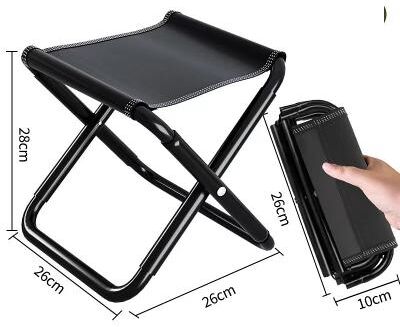
LightInthebox Outdoor Portable Folding Stool Collapsible Stool - Tactical Stool for Fishing, Travel, Camping, Hiking; Sturdy, Lightweight, and Compact for Queuing or CampingQuantity:1PC; Shape:Rectangle; Type:Storage Units; Material:Iron,Oxford; Features:Carrying; Product Dimensions:282626 313030; Net Weight:0.4; Listing Date:04/29/2024; Production mode:External procurement20,99 $*Shipping: 12,56 $Secure redirect to the provider
-
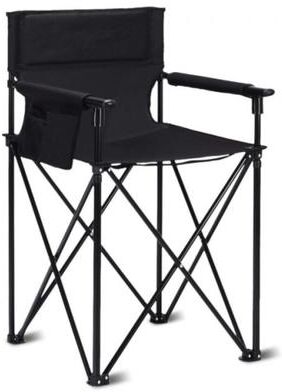
Costway Set of 2 Bamboo Dorm Chair with Storage Pocket for Camping and Fishing-BeigeWith a skin-friendly and breathable canvas fabric top, this chair will provide you with unlimited coziness, and the surface is also easy to clean with just a wet towel.82,99 $*Shipping: 0,00 $Secure redirect to the provider
-
What are the advantages and disadvantages of saltatory and continuous conduction of stimuli?
The advantage of saltatory conduction is that it is faster and more energy-efficient than continuous conduction. This is because the action potential jumps from one node of Ranvier to the next, rather than traveling along the entire length of the axon. However, the disadvantage is that it requires a myelin sheath, which is not present in all neurons. Continuous conduction, on the other hand, is slower and requires more energy, but it can occur in unmyelinated neurons. Overall, saltatory conduction is more efficient, while continuous conduction is more universal. **
-
Does active and passive excitation have anything to do with saltatory and continuous excitation conduction?
Yes, active and passive excitation are related to saltatory and continuous excitation conduction. Active excitation occurs when an action potential is generated and propagated along the entire length of the axon, resulting in continuous excitation conduction. On the other hand, passive excitation occurs when the action potential is only generated at the nodes of Ranvier in myelinated axons, leading to saltatory excitation conduction. In saltatory conduction, the action potential "jumps" from one node to the next, allowing for faster conduction of the signal. Therefore, the type of excitation (active or passive) is directly related to the type of excitation conduction (continuous or saltatory). **
-
Search for a fishing lake.
You can search for a fishing lake by using online resources such as fishing websites, state or local government websites, or fishing forums. These resources often provide information on the best fishing lakes in a specific area, including details on the types of fish available, fishing regulations, and amenities. You can also ask local anglers or visit a nearby bait and tackle shop for recommendations on the best fishing lakes in the area. Additionally, consider using mapping apps or GPS devices to locate fishing lakes near your current location. **
-
'Searching for a fishing lake.'
When searching for a fishing lake, consider factors such as the type of fish you want to catch, the amenities available at the lake (such as boat rentals or fishing piers), and the regulations in place (such as fishing licenses or catch limits). Researching online or asking local anglers for recommendations can help you find a suitable fishing spot. Additionally, visiting the lake beforehand to scout out potential fishing spots can increase your chances of having a successful fishing trip. **
* All prices are inclusive of VAT and, if applicable, plus shipping costs. The offer information is based on the details provided by the respective shop and is updated through automated processes. Real-time updates do not occur, so deviations can occur in individual cases. ** Note: Parts of this content were created by AI.