Buy windpointpark.com ?
We are moving the project
windpointpark.com .
Are you interested in purchasing the domain
windpointpark.com ?
domain@kv-gmbh.de · 0541-91531010
Buy windpointpark.com ?
What is the value of Moët & Chandon Brut Impérial Rosé from 1990?
The value of Moët & Chandon Brut Impérial Rosé from 1990 can vary depending on factors such as its condition, provenance, and current market demand. Generally, a well-preserved bottle of this vintage champagne can be quite valuable to collectors and enthusiasts due to its age and rarity. It is recommended to consult with wine experts or auction houses to get an accurate valuation of this specific bottle. **
White or rosé tuna?
White tuna is typically the preferred choice for sushi and sashimi due to its mild flavor and firm texture. Rosé tuna, also known as bluefin tuna, is prized for its rich, fatty flesh and is often used in dishes like sashimi and sushi. Both types of tuna have their own unique qualities, so the choice ultimately depends on personal preference and the specific dish being prepared. **
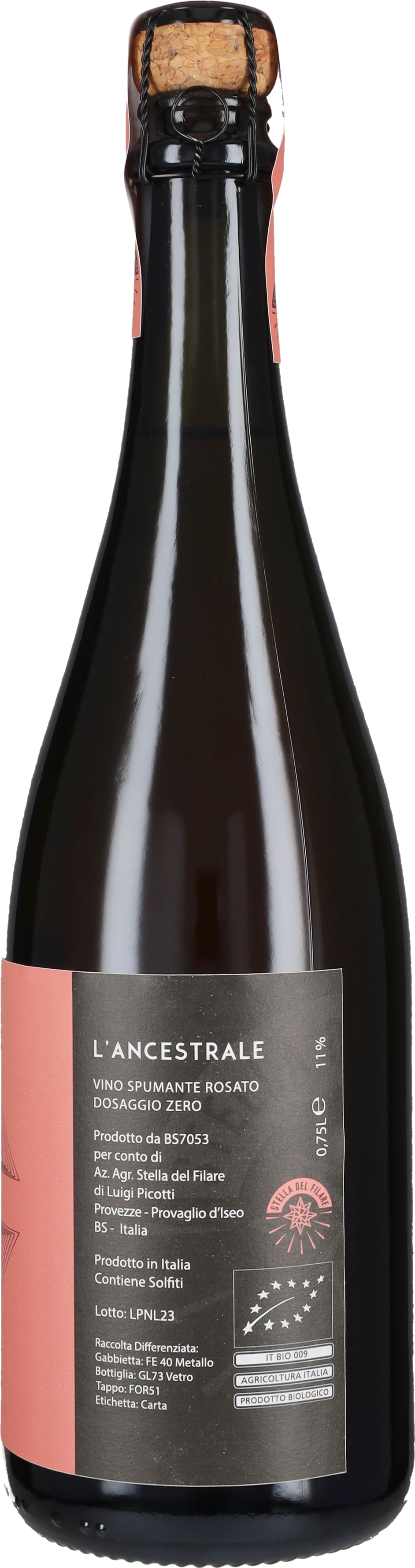

Similar search terms for Sparkling-Rosé-Brut-Nature
Top-Angebote
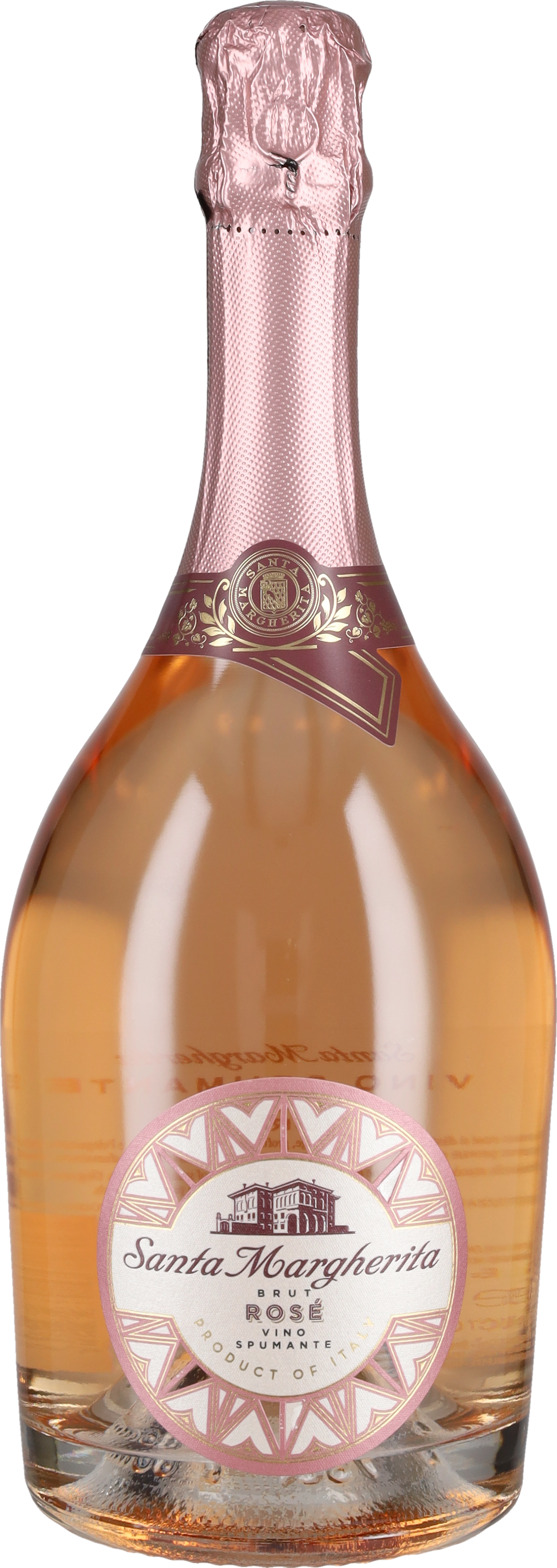
Products related to Sparkling-Rosé-Brut-Nature:
-
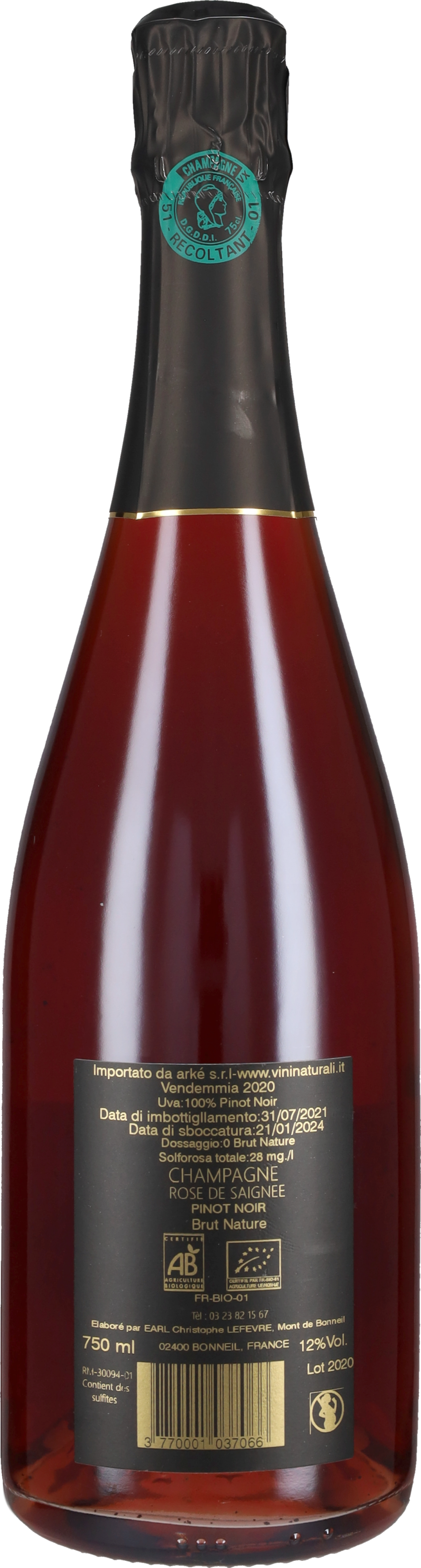
Champagne Rosé Brut Nature ‘Eclat de Pinot’ Justin MaillardThe young producer Justin Maillard presents the Champagne Rosé Brut Nature ‘Eclat de Pinot Rosé’, a "pink" expression of Pinot Noir from the Aube region that stands out for its pleasant almond finish. It's precisely the distinctive finish reminiscent of bitter almond that gives a gastronomic dimension to this Champagne, making it a perfect bubbly for any meal. Justin Maillard Champagne Brut Nature ‘Eclat de Pinot’ Rosé originates solely from Pinot Noir grapes grown on brown and limestone soils with Kimmeridgian marl subsoil. The vineyards were planted 25 years ago in the municipalities of Polisot and Val Colas Robin and are managed without the use of herbicides, pesticides, or other synthetic chemicals. After the harvest, the grapes undergo a 72-hour whole-cluster skin maceration process, which determines the wine's pink color, accompanied by gentle foot treading. Alcoholic fermentation and subsequent malolactic fermentation occur spontaneously in stainless steel tanks and concrete vats, the same wine containers where the base wine matures for a few months on fine lees. This is followed by bottle fermentation according to the Champagne method and then a long aging on yeast in glass before disgorgement à la volée. Throughout the production process, the use of clarification operations or cold treatments is excluded, while sulfite additions are minimal or nonexistent. The Champagne Brut Nature ‘Eclat de Pinot’ Rosé by Justin Maillard has a pale antique pink color. The aromatic profile is intriguing with hints of cherry, strawberry, lychee, lemon, pear, butter, and almond. The palate development is fresh and lively, with great elegance, and a very pleasant finish reminiscent of bitter almond.59,00 £*Shipping: 48,00 £Secure redirect to the provider


-
Is the Nature One camping included in the ticket?
Yes, the Nature One camping is included in the ticket price. Attendees have the option to bring their own camping gear and set up their tents in the designated camping area. The camping facilities typically include access to showers, toilets, and other amenities to ensure a comfortable camping experience during the festival. **
-
Why is it actually called Mother Nature and not Father Nature or Human Nature?
The term "Mother Nature" likely originated from ancient cultures that personified nature as a nurturing and life-giving force, similar to the role of a mother. This concept is rooted in the idea of the Earth as a source of sustenance and fertility, which aligns with the nurturing and life-giving qualities traditionally associated with motherhood. Additionally, the association of nature with femininity may also stem from the ancient worship of female deities representing the Earth and fertility. Over time, this association has become deeply ingrained in many cultures and continues to be reflected in the use of the term "Mother Nature." **
-
What ignites nature?
Nature is ignited by a combination of factors such as lightning strikes, volcanic eruptions, and human activities like campfires or arson. Lightning is a common natural cause of wildfires, as the intense heat generated can ignite dry vegetation. Volcanic eruptions can also ignite fires by spewing hot lava onto surrounding forests. Additionally, human activities like discarded cigarettes, machinery sparks, or intentional fires can also ignite nature and lead to devastating wildfires. **
-
What does nature mean to people and what is nature?
Nature holds different meanings for different people. For some, it represents a source of beauty, tranquility, and inspiration. For others, it symbolizes a connection to the earth and a sense of grounding. Nature can be defined as the physical world and everything in it, including plants, animals, landscapes, and natural phenomena. It encompasses the natural environment that exists independently of human activities and is often seen as a source of solace and rejuvenation. **

'What is the nature of the bottom of the lake?'
The bottom of a lake can vary greatly depending on factors such as the type of sediment, the presence of vegetation, and the depth of the lake. In general, the bottom of a lake can be composed of mud, sand, gravel, or rock. It may also have areas of organic material such as decaying plant matter. The nature of the bottom of a lake can impact the water quality, the types of organisms that live there, and the overall ecosystem of the lake. **
Why is nature amoral?
Nature is considered amoral because it operates based on natural laws and processes without any consideration for moral values or ethical principles. In nature, survival of the fittest is a key principle, where organisms compete for resources and adapt to their environment to ensure their own survival. This can result in behaviors that may seem cruel or ruthless from a human perspective, but are necessary for the balance and functioning of ecosystems. Ultimately, nature's amorality is a reflection of its inherent neutrality and lack of consciousness or intentionality in its actions. **
Top-Angebote
Products related to Sparkling-Rosé-Brut-Nature:
-
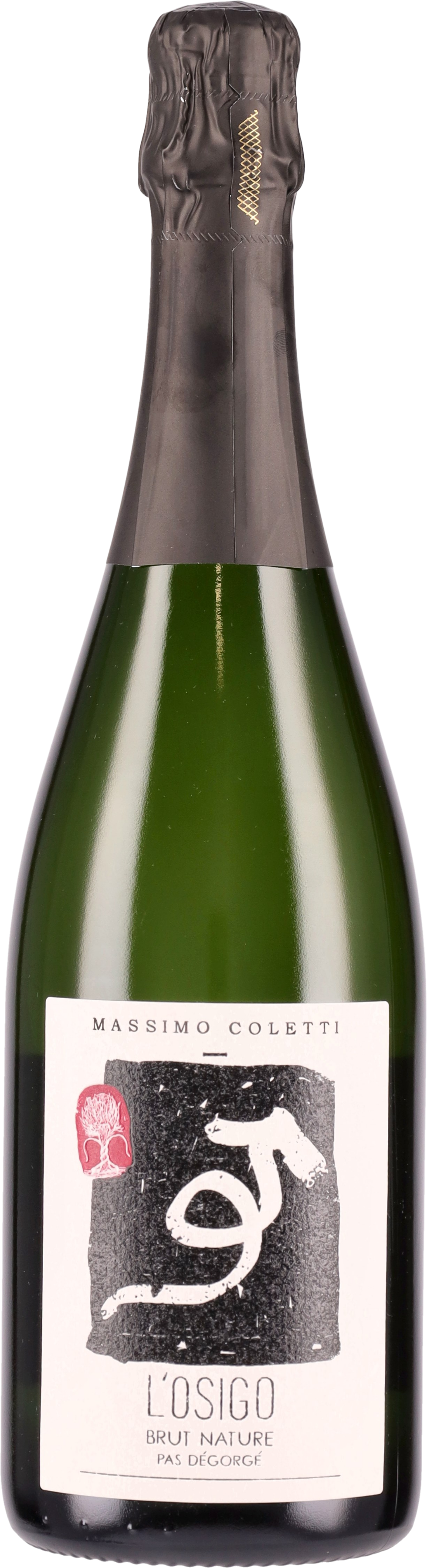
"""Conceito Sparkling Brut Nature 2022 Champagne - Portugal""""""Conceito Brut Nature is a rich sparkling, full of brioche and pain grillé nuances, combined with the variety’s exciting spice. Fine and firm bubble. Generous natural sugar, which balances with the extreme dryness, to privilege the grape’s..."36,99 $*Shipping: 0,00 $Secure redirect to the provider
-
Champagne Rosé Brut Nature ‘Eclat de Pinot’ Justin MaillardThe young producer Justin Maillard presents the Champagne Rosé Brut Nature ‘Eclat de Pinot Rosé’, a "pink" expression of Pinot Noir from the Aube region that stands out for its pleasant almond finish. It's precisely the distinctive finish reminiscent of bitter almond that gives a gastronomic dimension to this Champagne, making it a perfect bubbly for any meal. Justin Maillard Champagne Brut Nature ‘Eclat de Pinot’ Rosé originates solely from Pinot Noir grapes grown on brown and limestone soils with Kimmeridgian marl subsoil. The vineyards were planted 25 years ago in the municipalities of Polisot and Val Colas Robin and are managed without the use of herbicides, pesticides, or other synthetic chemicals. After the harvest, the grapes undergo a 72-hour whole-cluster skin maceration process, which determines the wine's pink color, accompanied by gentle foot treading. Alcoholic fermentation and subsequent malolactic fermentation occur spontaneously in stainless steel tanks and concrete vats, the same wine containers where the base wine matures for a few months on fine lees. This is followed by bottle fermentation according to the Champagne method and then a long aging on yeast in glass before disgorgement à la volée. Throughout the production process, the use of clarification operations or cold treatments is excluded, while sulfite additions are minimal or nonexistent. The Champagne Brut Nature ‘Eclat de Pinot’ Rosé by Justin Maillard has a pale antique pink color. The aromatic profile is intriguing with hints of cherry, strawberry, lychee, lemon, pear, butter, and almond. The palate development is fresh and lively, with great elegance, and a very pleasant finish reminiscent of bitter almond.59,00 £*Shipping: 48,00 £Secure redirect to the provider
-
What is the value of Moët & Chandon Brut Impérial Rosé from 1990?
The value of Moët & Chandon Brut Impérial Rosé from 1990 can vary depending on factors such as its condition, provenance, and current market demand. Generally, a well-preserved bottle of this vintage champagne can be quite valuable to collectors and enthusiasts due to its age and rarity. It is recommended to consult with wine experts or auction houses to get an accurate valuation of this specific bottle. **
-
White or rosé tuna?
White tuna is typically the preferred choice for sushi and sashimi due to its mild flavor and firm texture. Rosé tuna, also known as bluefin tuna, is prized for its rich, fatty flesh and is often used in dishes like sashimi and sushi. Both types of tuna have their own unique qualities, so the choice ultimately depends on personal preference and the specific dish being prepared. **
-
Is the Nature One camping included in the ticket?
Yes, the Nature One camping is included in the ticket price. Attendees have the option to bring their own camping gear and set up their tents in the designated camping area. The camping facilities typically include access to showers, toilets, and other amenities to ensure a comfortable camping experience during the festival. **
-
Why is it actually called Mother Nature and not Father Nature or Human Nature?
The term "Mother Nature" likely originated from ancient cultures that personified nature as a nurturing and life-giving force, similar to the role of a mother. This concept is rooted in the idea of the Earth as a source of sustenance and fertility, which aligns with the nurturing and life-giving qualities traditionally associated with motherhood. Additionally, the association of nature with femininity may also stem from the ancient worship of female deities representing the Earth and fertility. Over time, this association has become deeply ingrained in many cultures and continues to be reflected in the use of the term "Mother Nature." **
Similar search terms for Sparkling-Rosé-Brut-Nature
-
What ignites nature?
Nature is ignited by a combination of factors such as lightning strikes, volcanic eruptions, and human activities like campfires or arson. Lightning is a common natural cause of wildfires, as the intense heat generated can ignite dry vegetation. Volcanic eruptions can also ignite fires by spewing hot lava onto surrounding forests. Additionally, human activities like discarded cigarettes, machinery sparks, or intentional fires can also ignite nature and lead to devastating wildfires. **
-
What does nature mean to people and what is nature?
Nature holds different meanings for different people. For some, it represents a source of beauty, tranquility, and inspiration. For others, it symbolizes a connection to the earth and a sense of grounding. Nature can be defined as the physical world and everything in it, including plants, animals, landscapes, and natural phenomena. It encompasses the natural environment that exists independently of human activities and is often seen as a source of solace and rejuvenation. **
-
'What is the nature of the bottom of the lake?'
The bottom of a lake can vary greatly depending on factors such as the type of sediment, the presence of vegetation, and the depth of the lake. In general, the bottom of a lake can be composed of mud, sand, gravel, or rock. It may also have areas of organic material such as decaying plant matter. The nature of the bottom of a lake can impact the water quality, the types of organisms that live there, and the overall ecosystem of the lake. **
-
Why is nature amoral?
Nature is considered amoral because it operates based on natural laws and processes without any consideration for moral values or ethical principles. In nature, survival of the fittest is a key principle, where organisms compete for resources and adapt to their environment to ensure their own survival. This can result in behaviors that may seem cruel or ruthless from a human perspective, but are necessary for the balance and functioning of ecosystems. Ultimately, nature's amorality is a reflection of its inherent neutrality and lack of consciousness or intentionality in its actions. **
* All prices are inclusive of VAT and, if applicable, plus shipping costs. The offer information is based on the details provided by the respective shop and is updated through automated processes. Real-time updates do not occur, so deviations can occur in individual cases. ** Note: Parts of this content were created by AI.